
| moonbeam | |
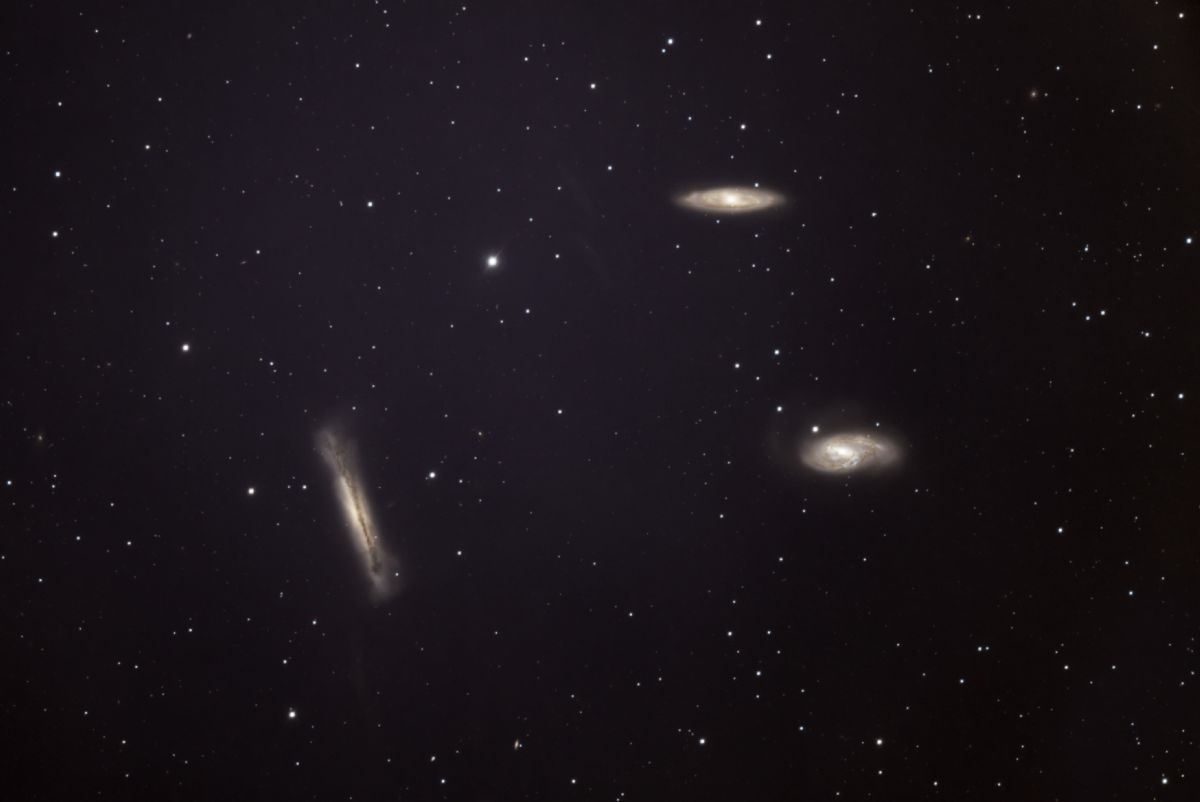
 Joined 6/24/2024 Loc: Mo, USA | Posted 2/16/2026 2:38:12 PM CST I've been enjoying the ZWO AM7 mount in the observatory for a little over a month now, and I've been doing what I always end up doing with new gear: putting it through the kind of comparisons I wish more reviews included. I've been stacking it up against the AM5, the Rainbow RST-300, and even the heavier “classic” mounts I know well - like the CGX-L and my Software Bisque MX+. The AM7 ends up landing in a really interesting middle ground, and in this review I'll show you exactly where it shines, where it's merely good, and where the old heavyweights still flex. If you're considering one, it's worth a look. Attaching a recent image of the Leo Triplet taken with the guided setup using the RASA 11 and 5 minute subs. ZWO AM7 review here
Explorer of the cosmos, one photon at a time. I capture the universe using an arsenal of 12 telescopes including the TEC 180FL, Takahashi Epsilon 160ED, Takahashi FSQ-106EDX4, and Takahashi TOA-130, paired with elite imaging systems like the ZWO 6200MM Pro with Chroma filters, ZWO 2600MM, and the ATIK 16200 HPS-C. |
| moonbeam | |
Joined 6/24/2024 Loc: Mo, USA | Posted 2/16/2026 9:53:47 PM CST
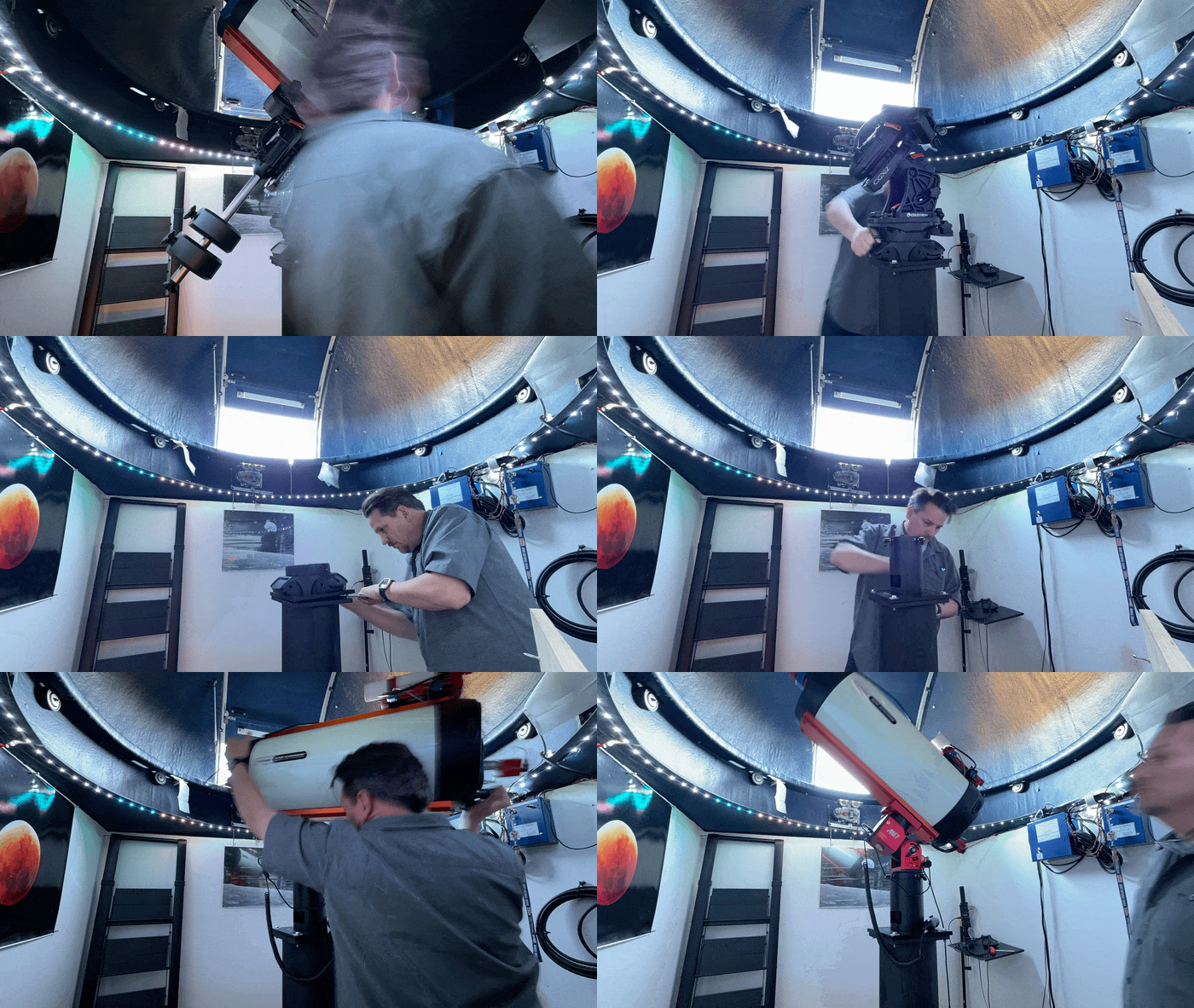
Changing out the CGX-L in the Ozark Hills Observatory came down to space and reliability more than anything else. I operate out of a six foot home dome. Anyone who has worked inside a dome that size knows every inch matters. The CGX-L is a substantial mount. The head weighs around 52 pounds, it carries counterweights, and it occupies real physical volume around the pier. It did the job from a payload standpoint, rated at 75 pounds for imaging, but in a six foot dome it always felt like I was working around the mount instead of with it. The RASA 11 does not need that kind of capacity. Even fully outfitted with a cooled camera, filter drawer, dew control, a 50 millimeter guide scope, Stellarmate controller, and power management, the total load sits comfortably within the ZWO AM7's 44 pound counterweight free rating. With a counterweight, the AM7 can handle up to 66 pounds. For this telescope, that is more than enough. The AM7 weighs about 15 pounds and uses strain wave harmonic drives on both axes. Physically, it frees up space in the dome. There is no long counterweight shaft extending into walk space. There is less mass crowding the pier area. In a six foot dome, that translates directly into easier movement and fewer close calls in the dark. There were also practical connectivity reasons for the change. The CGX-L had occasional disconnects to the control computer. I dealt with random freeze ups and a few unexpected ground slews over time. None of those are things you want in an unattended imaging session. They cost time and confidence. The AM7 integrates cleanly into the ZWO ecosystem. Bluetooth connectivity and direct USB control are straightforward and stable. ZWO's connection stack is widely recognized as solid for a reason. In practice, it has simply worked. Fewer cables, fewer adapters, and more predictable communication between mount and controller make a difference over long runs. In day to day operation, the AM7 feels very similar to the AM5. The behavior, slewing response, and overall handling are much alike. The AM7 is slightly larger and heavier, but not dramatically so. If you have used an AM5, you already understand the character of the AM7. There is a brake on the RA axis but not on the DEC axis. Because of that, I made sure to balance the RASA 11 as carefully as possible on the mount head. Even though harmonic drives are more forgiving than traditional worm gear systems, good balance is still good practice, especially with a front heavy imaging train. For a wide field instrument like the RASA 11 at 620 millimeters and f 2.2, the AM7 is a better match than a 75 pound class equatorial. It tracks well, slews smoothly, and occupies less space in a small dome. The main reason for the move was simple. In a six foot dome, room matters. Reliability matters. Clean connectivity matters. The AM7 addressed all three without sacrificing performance. After many years of doing this, I have learned that simplicity and fit often outweigh raw capacity.
Explorer of the cosmos, one photon at a time. I capture the universe using an arsenal of 12 telescopes including the TEC 180FL, Takahashi Epsilon 160ED, Takahashi FSQ-106EDX4, and Takahashi TOA-130, paired with elite imaging systems like the ZWO 6200MM Pro with Chroma filters, ZWO 2600MM, and the ATIK 16200 HPS-C. |
Please log in to reply →
Need an account?

Recent Topics
Featured Stories

New Space Capitalism: An argument for capitalism in the new frontier
Monday, June 22, 2026
How to make your large dobsonian portable
Monday, May 11, 2026
Seeing color clearly with color science tools
Thursday, March 26, 2026
_uo0fbvpz.jpg "Galaxies previously unseen discovered with help from physicist")
Galaxies previously unseen discovered with help from physicist
Tuesday, March 24, 2026
ASCOM Platform 7.1 Update 2 Released
Tuesday, February 10, 2026
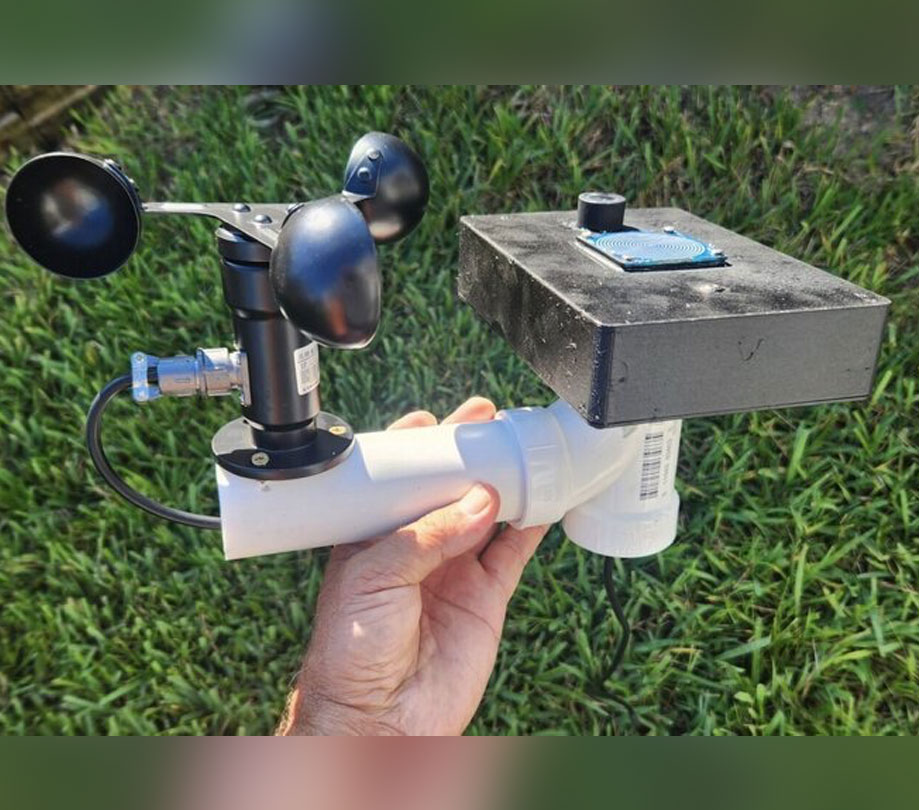
Astro Weather Station by Astro-Smart launches
Thursday, February 5, 2026
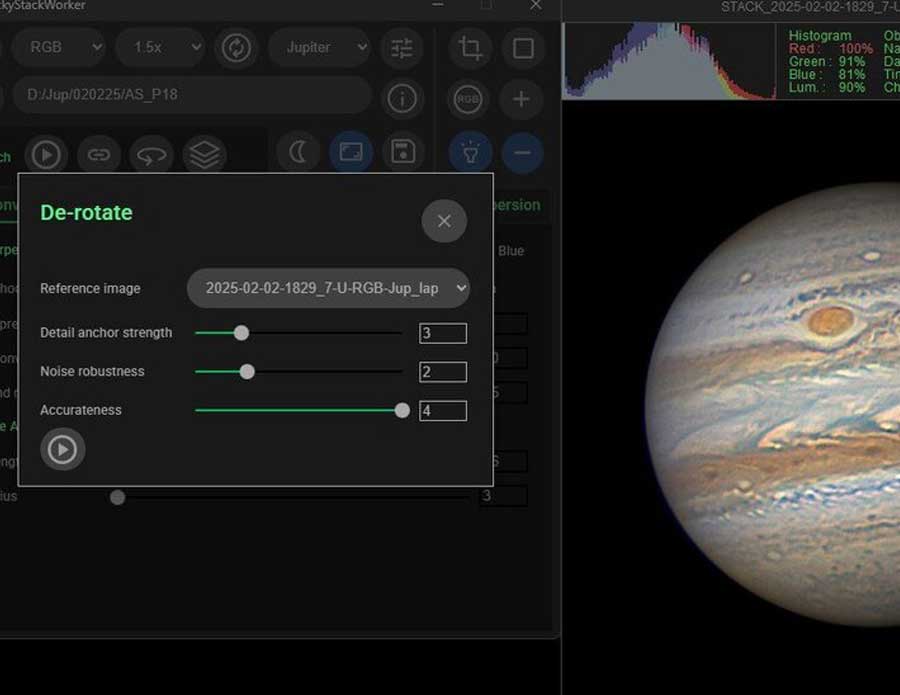
Planet and moon image stacking gets easier with LuckyStackWorker 7
Wednesday, January 14, 2026
Stay Updated
Sign up for our newsletter for the headlines delivered to youSuccessFull SignUp
|