
| moonbeam | |
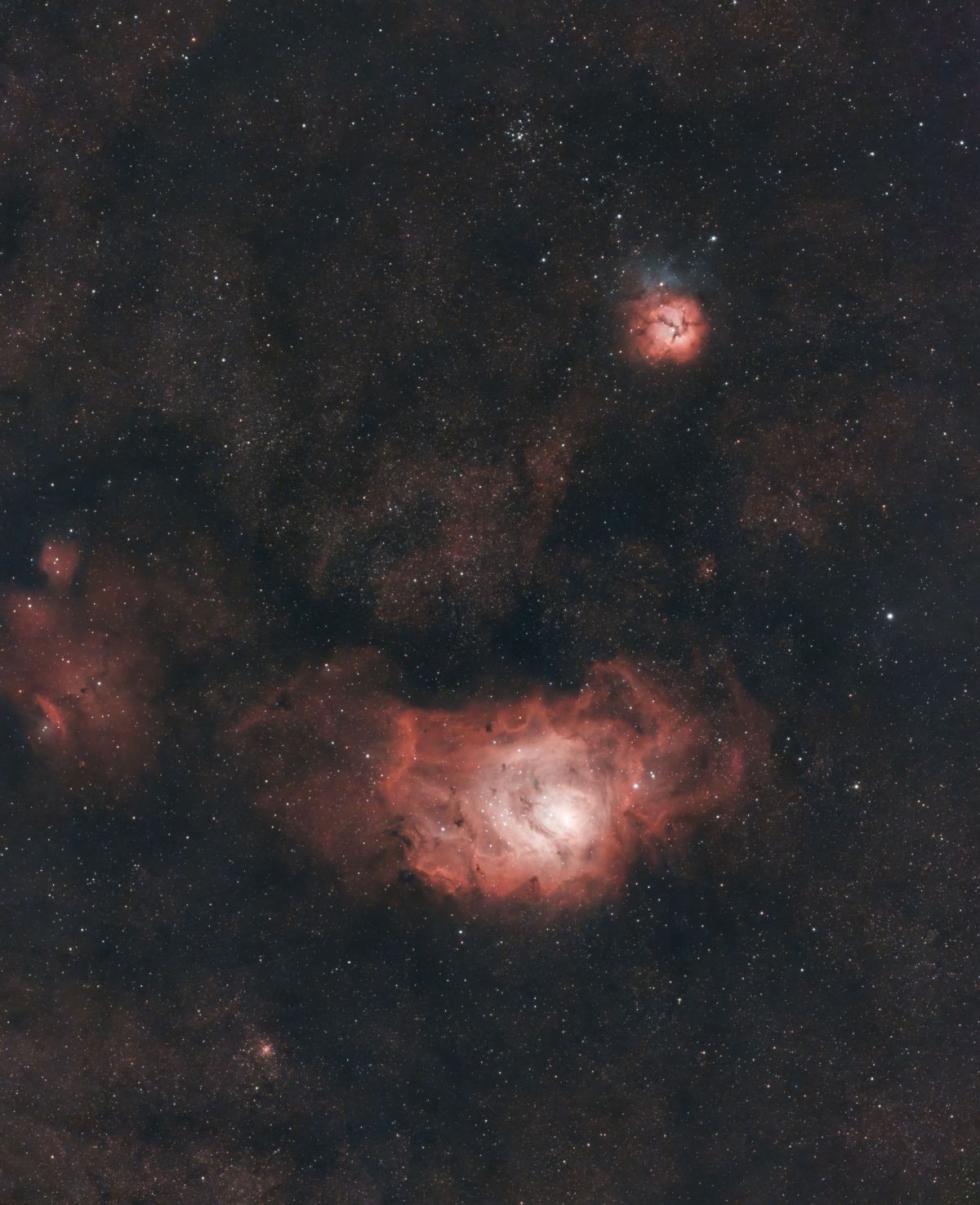
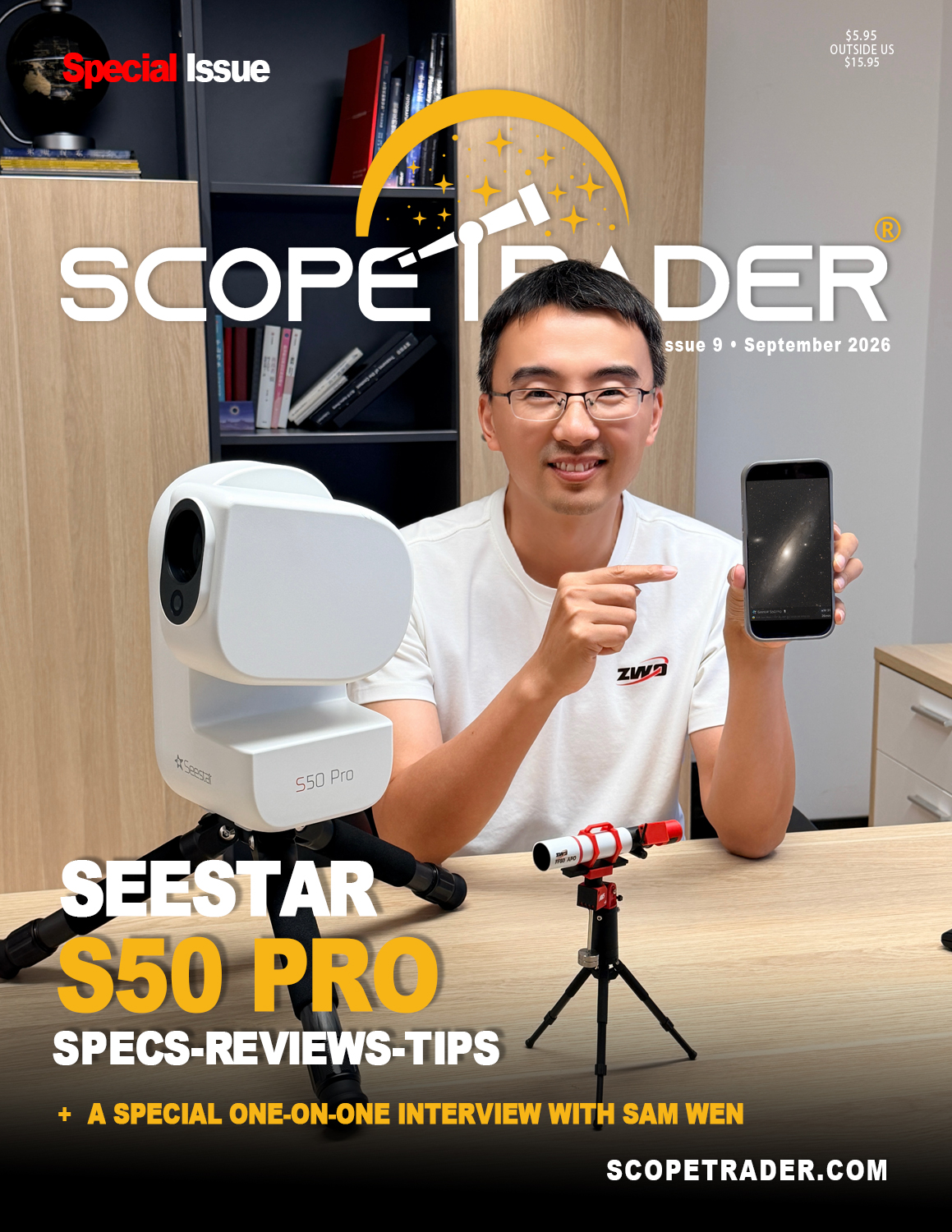
 Joined 6/24/2024 Loc: Mo, USA | Posted 8/29/2026 7:34:58 AM CST I’ve been putting the Seestar S50 Pro through its paces for a while now, and I have to say, this little scope continues to surprise me. Last night was another testing night, but nothing particularly scientific. It was more of a ‘let’s see what you can do’ run. I pointed it toward the Trifid and Lagoon Nebula region, turned on Mosaic Mode to open up the field, and basically left it alone for about an hour. When I pulled up the result, I was genuinely impressed. This is 50 mm of aperture. The image was stacked internally by Seestar and given a light processing pass in the Seestar app. I exported the enhanced JPEG to my Mac, opened it in Photoshop for a closer pixel peep, bumped the levels a little, added a touch of noise reduction and some unsharp masking. That’s it. Maybe five minutes of noodling with it. No PixInsight WeightedBatchPreprocessing. No manual channel combining. No star removal and layering them back in. No BlurXTerminator. No gradient removal or background extraction. No spending the evening processing individual subs trying to squeeze every last bit of signal out of them. And that’s really what keeps getting my attention with the S50 Pro. I shoot with traditional astrophotography rigs. I love the big scopes, mono cameras, filter wheels and ridiculous amounts of data as much as anybody. I know what goes into producing a good deep-sky image that way. The S50 Pro isn’t replacing any of that, and I don’t think that’s what ZWO is trying to do. But look at what we’re talking about here: a 50 mm smart telescope, sitting outside for an hour, doing its own acquisition and stacking, followed by about five minutes at my computer. That’s pretty remarkable. The more time I spend with the S50 Pro, the less I think of it as simply a ‘beginner telescope.’ There’s obviously a very low barrier to entry, which is one of its greatest strengths, but there’s enough capability here that I’m having a lot of fun figuring out just how far I can push it. For anyone following my testing, we dedicated the September issue of ScopeTrader to the Seestar S50 Pro. I’ve had the scope for well over a month now, so the issue goes considerably deeper than these forum posts. We cover the S50 Pro’s astrophotography capabilities, Mosaic Mode, equatorial mode and 60-second exposures, along with comparisons, tutorials and my experience actually using the telescope under the night sky. There’s also my exclusive interview with ZWO founder Sam Wen, where we get into Seestar, the future of smart telescopes and his goal of making capable astrophotography accessible to a much larger group of people. If you haven’t seen the issue yet, you can read it here: ScopeTrader September 2026: Seestar S50 Pro Special Issue I’m going to keep pushing this thing and sharing what I find here. But after another night with it, I’ll say it again: The S50 Pro is for real, folks. Rich
Explorer of the cosmos, one photon at a time. I capture the universe with a collection of about 12 telescopes, including the SCA310, Astro-Physics 155 EDF Starfire, TEC 180FL, and Takahashi Epsilon 160ED, and my beloved FSQ-106EDX4. Paired with advanced imaging systems - including the medium-format ZWO ASI461MM and ASI6200MM Pro with Chroma filters - these precision instruments help me reveal the faint structures, rich colors, and extraordinary detail hidden in the night sky. |
Please log in to reply →
Need an account?

Recent Topics
Featured Stories

New Space Capitalism: An argument for capitalism in the new frontier
Monday, June 22, 2026
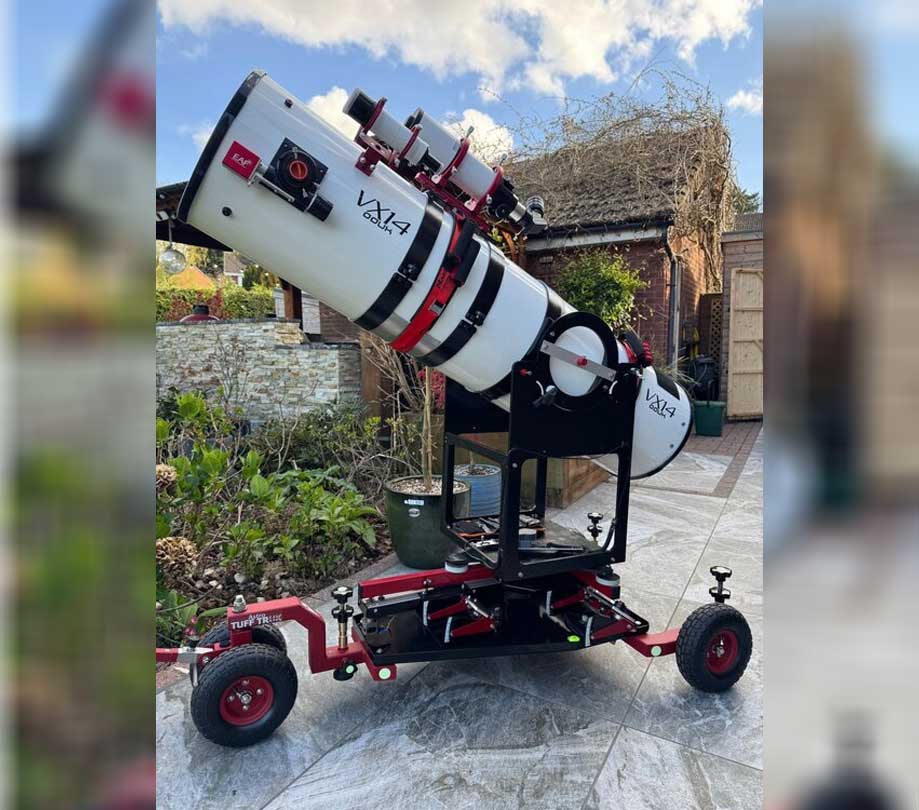
How to make your large dobsonian portable
Monday, May 11, 2026
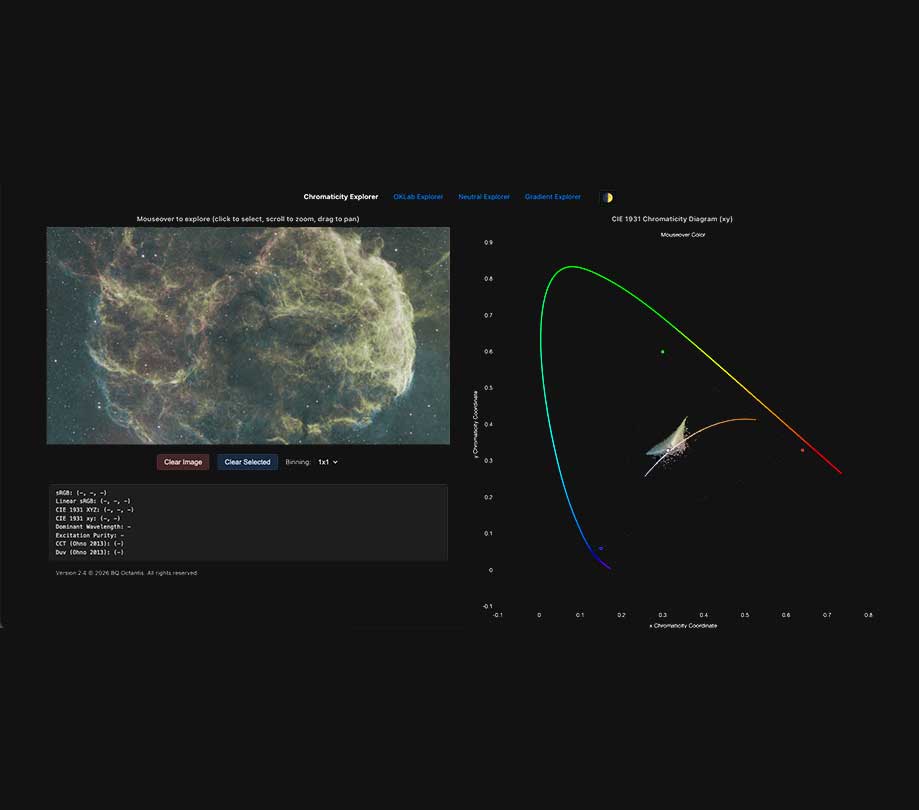
Seeing color clearly with color science tools
Thursday, March 26, 2026
_uo0fbvpz.jpg "Galaxies previously unseen discovered with help from physicist")
Galaxies previously unseen discovered with help from physicist
Tuesday, March 24, 2026
ASCOM Platform 7.1 Update 2 Released
Tuesday, February 10, 2026
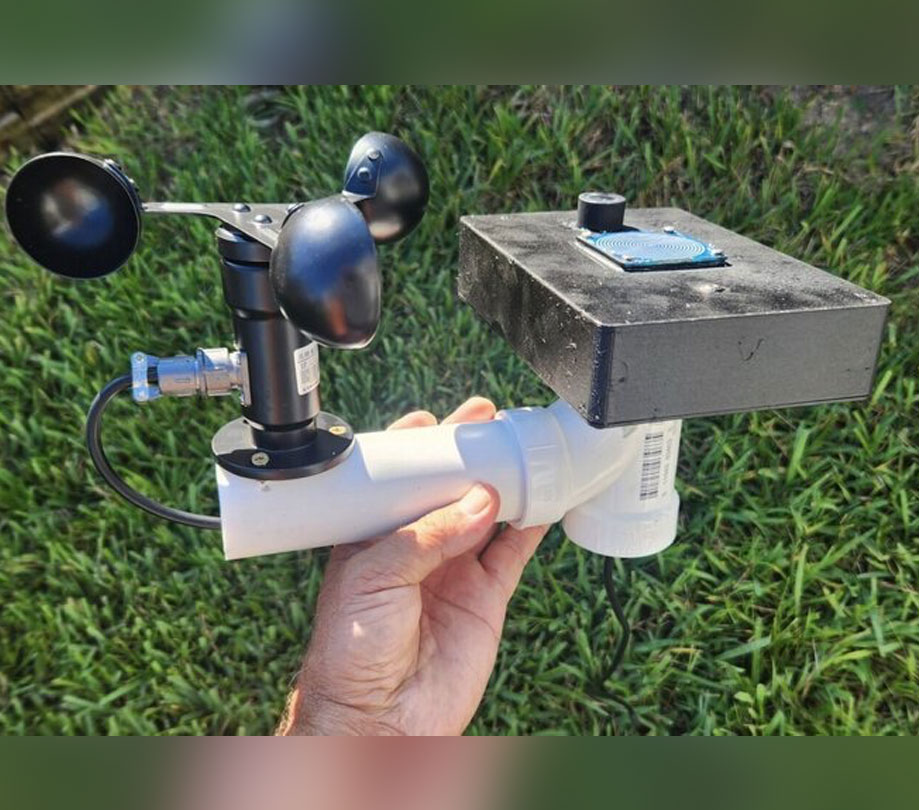
Astro Weather Station by Astro-Smart launches
Thursday, February 5, 2026
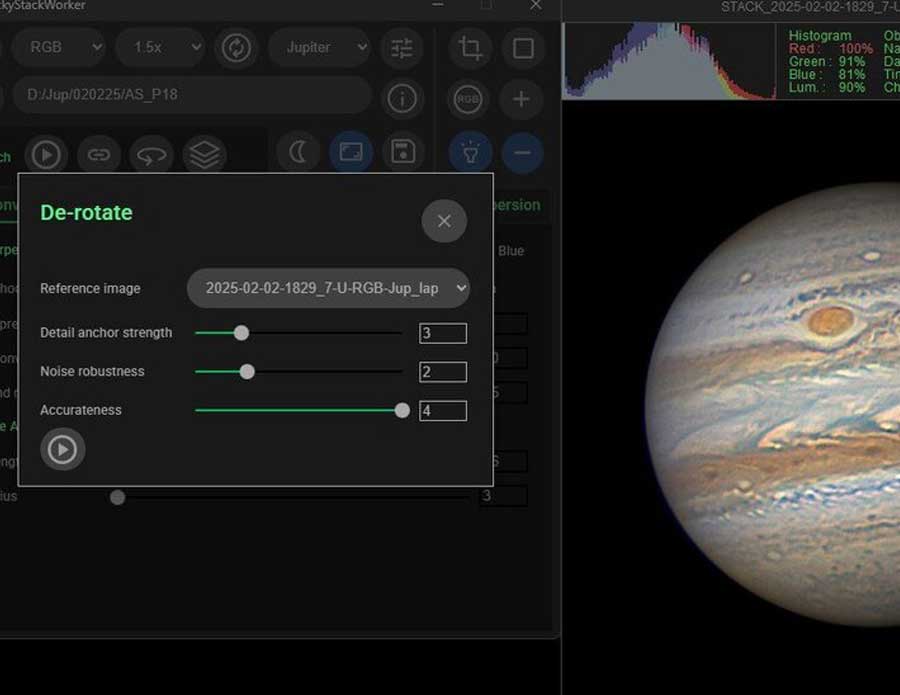
Planet and moon image stacking gets easier with LuckyStackWorker 7
Wednesday, January 14, 2026
Stay Updated
Sign up for our newsletter for the headlines delivered to youSuccessFull SignUp
|