

Using AI with astrophotography is faking it, plain and simple
Started by moonbeam on 5/22/2026 2:59:13 PM CST
| moonbeam | |
|
Joined 6/24/2024 Loc: Mo, USA | Posted 5/22/2026 2:59:13 PM CST I need to vent here for a minute. IT seems as more people adopt easier tools to make astrophotos look better, it is becoming obvious that AI toolsets are being overused, exaggerated, and in some cases, outright fabricating details that were never present in the original data. I am not against these tools existing. Some of them are genuinely useful. They save time, reduce repetitive work, and help folks get cleaner results from difficult data. But somewhere along the line, the hobby started drifting away from processing real captured light and toward manufacturing an image people wish they had captured. Now I already know somebody is going to say, “But astrophotography is art too.” Sure. To a point. But it is also photons traveling across the comosts, hitting a telescope, being focused onto a sensor, converted into electrons, amplified, calibrated, stacked, and processed into something we can finally see. There is still a chain of truth involved in that process. That matters. When AI starts inventing structure, removing important details, reshaping stars, smoothing away real signal, or creating contrast that never existed in the data, we cross a line. At that point, it stops being astrophotography and starts becoming digital illustration built on top of astronomical data. And honestly, most of us are not astrophysicists. We are enthusiasts trying to understand what we are looking at while sharing our excitement with others. That is part of what makes this hobby special. But if we process an image so heavily that it barely resembles the original capture, then what exactly are we teaching people about the night sky? The Role of AI in Astrophotography Image Processing and Why It MattersAI tools are now involved in almost every stage of processing. NoiseXTerminator and Topaz Photo AI can reduce noise far faster than traditional methods like PixInsight’s Multiscale Linear Transform. GraXpert can remove gradients in seconds compared to carefully building a Dynamic Background Extraction model by hand. StarXTerminator and StarNet++ can strip stars out of an image almost instantly, something that used to take hours of masking and cleanup. There is no denying these tools work. In many cases they work better than traditional algorithms. AI based noise reduction usually preserves detail more effectively. AI star removal is faster and cleaner. AI gradient removal can rescue data taken under terrible skies. But convenience comes with a cost. The more automated processing becomes, the less people understand what is actually happening to their data. It becomes very easy to click your way into an image that looks polished while slowly disconnecting from the original capture. And this is where overprocessing becomes a real problem. We all hate the things that plague astrophotography. Light pollution. Dust motes. Satellite trails. Walking noise. Banding. Bad seeing. Poor guiding. Haloing around stars. Amp glow. Dew. Wind shake. Sensor tilt. Chromatic aberration. Uneven flats. Gradients from a neighbor’s floodlight. We fight these problems because they interfere with the signal we worked so hard to collect. But there is a difference between correcting problems and rewriting reality. Automation Versus Artistic ControlI think the healthiest approach is moderation. Use AI to help with repetitive technical cleanup. Use it to save time. Use it as an assistant. But do not hand over complete artistic and scientific control to an algorithm trained on thousands of internet images. If you aggressively denoise, sharpen, shrink stars, remove stars entirely, stretch structures beyond recognition, and rebuild backgrounds until they look synthetic, then eventually you are no longer processing your image. You are collaborating with a machine that is deciding what your image should look like. That should concern people. Especially because future AI systems are going to become far more advanced than what we have now. The day is not far away when you will type “M31 under Bortle 2 skies with a 5 inch refractor” and an AI system will generate an image so convincing that nobody will know whether it came from a telescope or a server farm trained on millions of astrophotos scraped from the internet. And honestly, if that becomes the norm, then what happens to the value of spending cold nights outside collecting your own photons? The Ethics of AI in AstrophotographyThis is why transparency matters. If AI was heavily involved in producing an image, say so. There should not be shame in admitting you used AI assisted tools. Most of us already do to some extent. The issue is pretending the result is a completely faithful representation of captured data when major structures or details may have been synthesized, exaggerated, or selectively removed. I take a lot of pride in producing astrophotos that stay as genuine to the data as possible. Not because I think perfection matters, but because authenticity does. There is something deeply satisfying about knowing the light in your image actually arrived at your telescope, traveled through your optics, and landed on your sensor exactly as nature delivered it. That connection to reality is part of what makes astrophotography meaningful in the first place. Everything in moderation, folks. Now - fire away mateys.. Explorer of the cosmos, one photon at a time. I capture the universe using an arsenal of 12 telescopes including the TEC 180FL, Takahashi Epsilon 160ED, Takahashi FSQ-106EDX4, and Takahashi TOA-130, paired with elite imaging systems like the ZWO 6200MM Pro with Chroma filters, ZWO 2600MM, and the ATIK 16200 HPS-C. |
Please log in to reply →
Need an account?

Recent Topics
Featured Stories
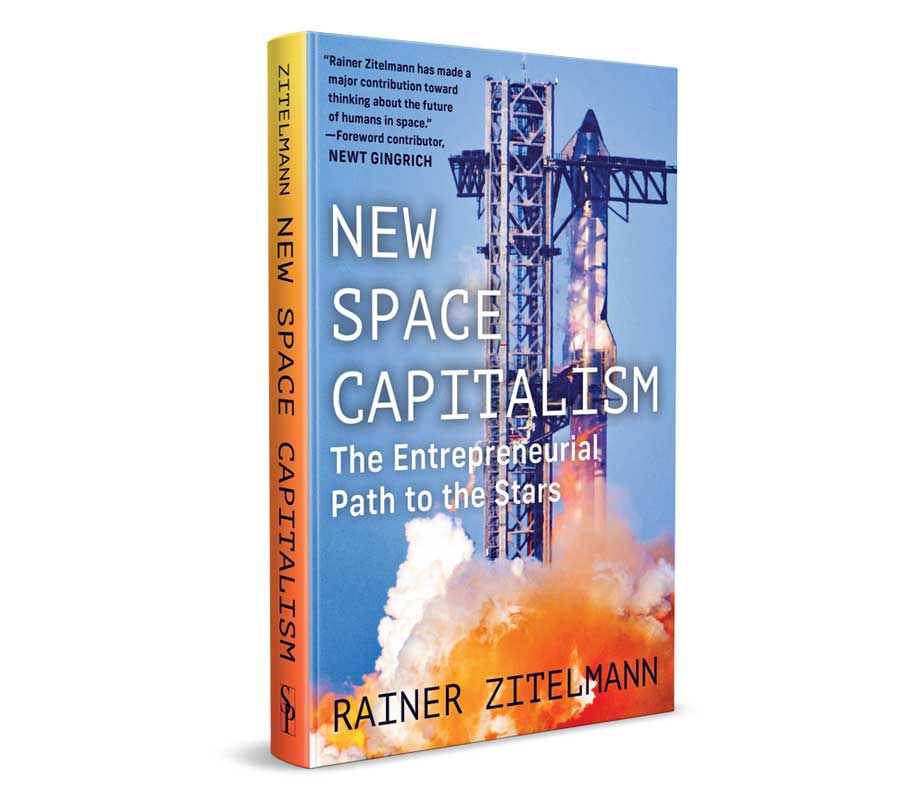
New Space Capitalism: An argument for capitalism in the new frontier
Monday, June 22, 2026
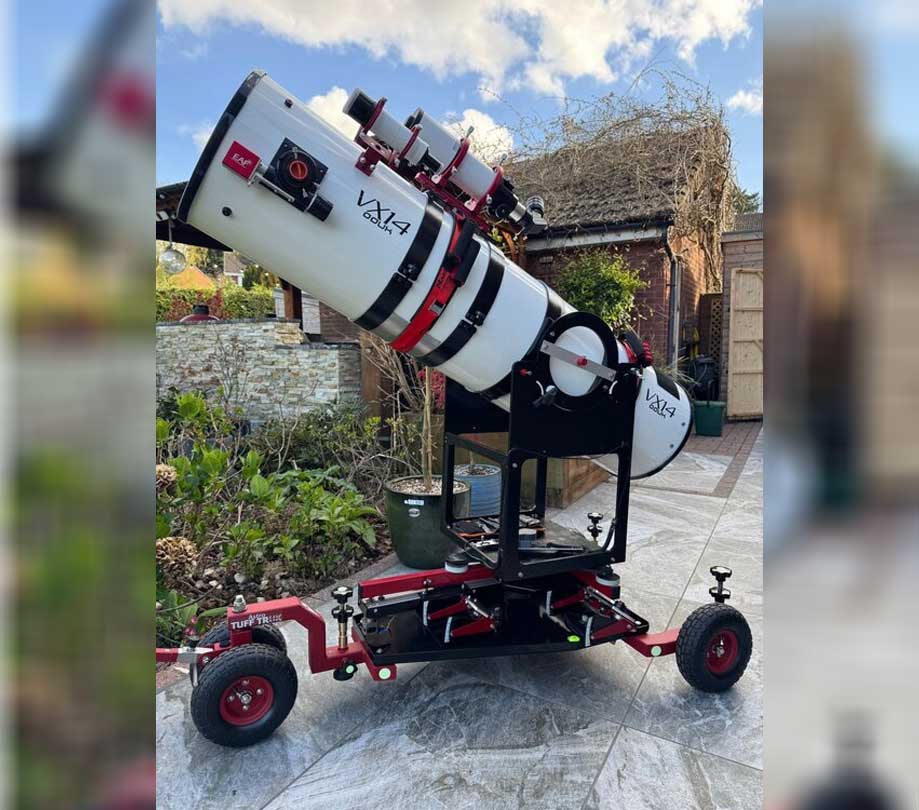
How to make your large dobsonian portable
Monday, May 11, 2026
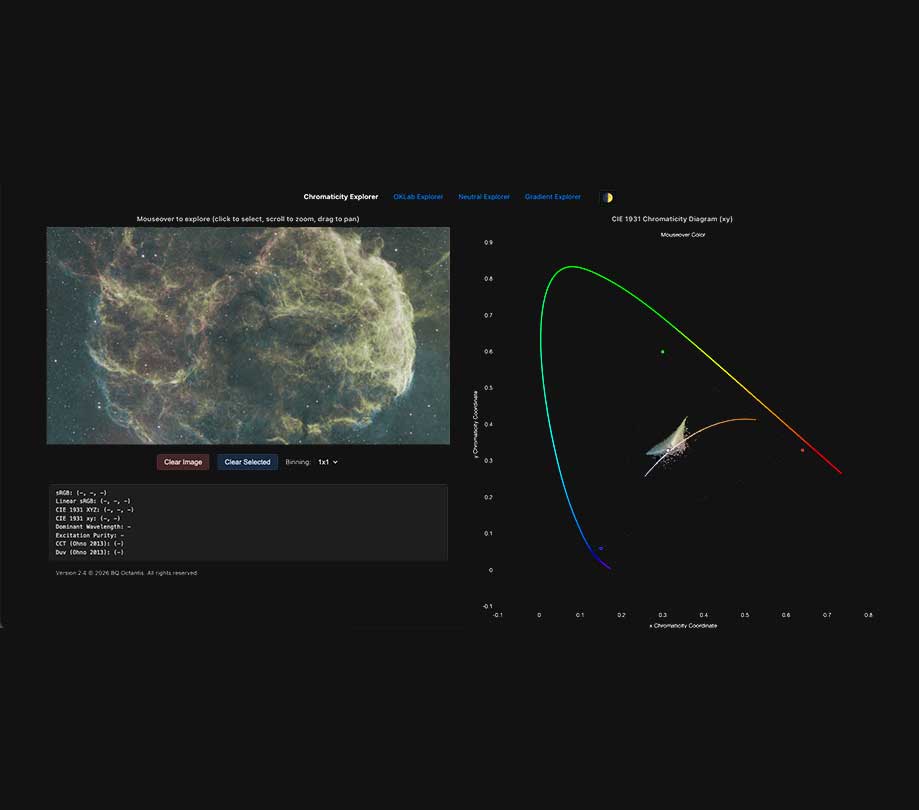
Seeing color clearly with color science tools
Thursday, March 26, 2026
_uo0fbvpz.jpg "Galaxies previously unseen discovered with help from physicist")
Galaxies previously unseen discovered with help from physicist
Tuesday, March 24, 2026
ASCOM Platform 7.1 Update 2 Released
Tuesday, February 10, 2026
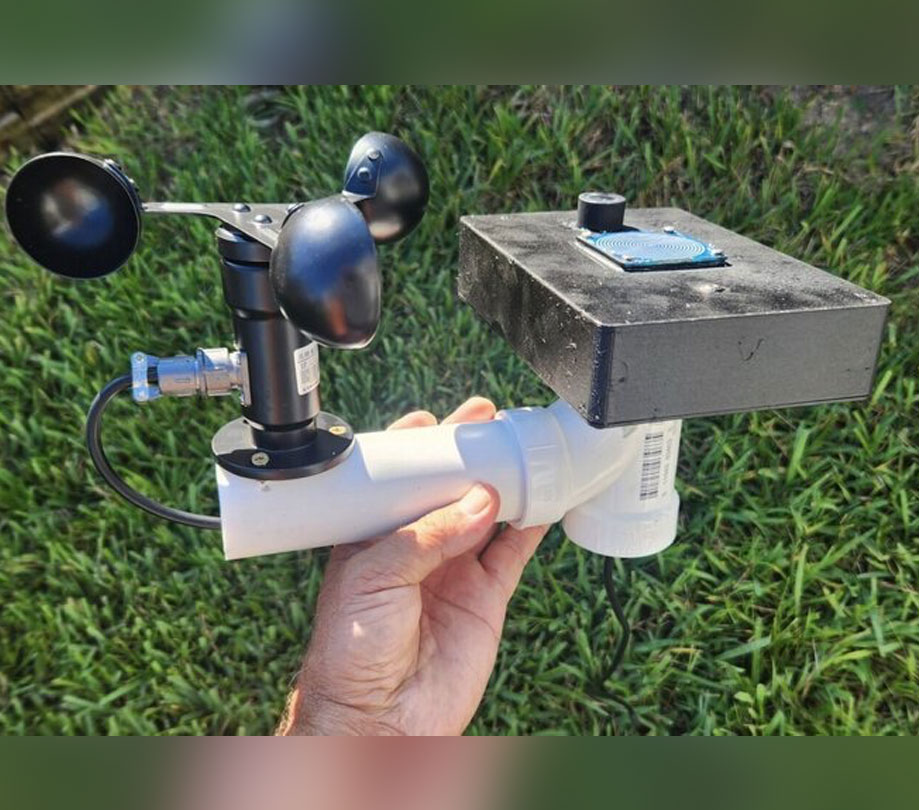
Astro Weather Station by Astro-Smart launches
Thursday, February 5, 2026
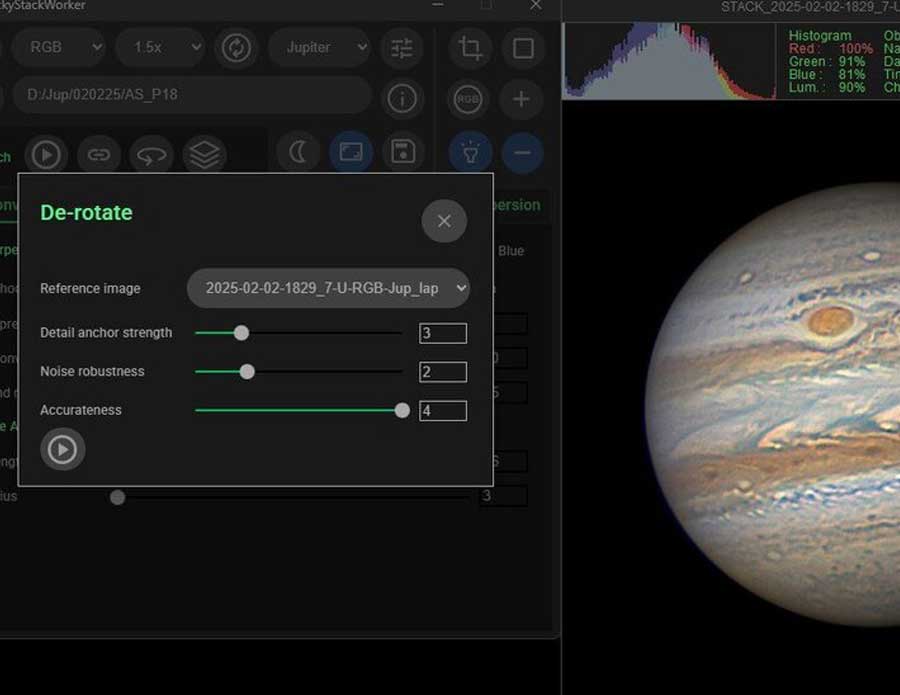
Planet and moon image stacking gets easier with LuckyStackWorker 7
Wednesday, January 14, 2026
Stay Updated
Sign up for our newsletter for the headlines delivered to youSuccessFull SignUp

|