
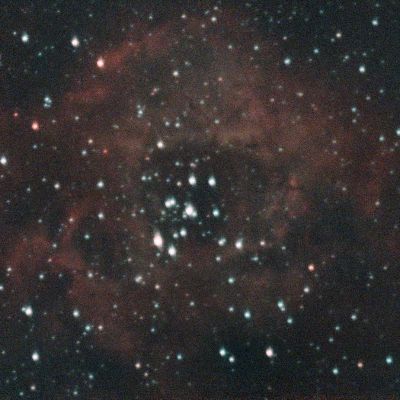
What are the best things to observe from Bortle 5.8 skies?
Started by treysonabbe on 5/22/2026 4:26:30 PM CST
| treysonabbe | |
|
Joined 6/9/2025 Loc: MO, US | Posted 5/22/2026 4:26:30 PM CST I’ve been thinking about how much observing changes depending on sky conditions, especially for people viewing from suburban areas. My skies are around Bortle 5.8, so I wanted to start a discussion about what is still worth targeting from that kind of light pollution. Darker skies obviously make a huge difference, especially for faint galaxies and nebulae, but I’m curious about what people have found to be consistently enjoyable from skies that are not truly dark, but also not fully urban. A few questions I’d love help with: What objects hold up best from Bortle 5.8 skies? Are the Moon, planets, double stars, open clusters, globular clusters, and brighter planetary nebulae the most reliable targets? Are there any galaxies or emission nebulae that are still worth trying from this level of light pollution? How much does telescope aperture help when the sky background is already fairly bright? Do filters make a noticeable difference, and if so, which types are actually useful? Would you focus more on visual observing, EAA, imaging, or narrowband work from Bortle 5.8 skies? For those who regularly observe from similar suburban skies, what targets, equipment choices, and techniques have worked best for you? Trey |
Please log in to reply →
Need an account?

Recent Topics
Featured Stories

New Space Capitalism: An argument for capitalism in the new frontier
Monday, June 22, 2026
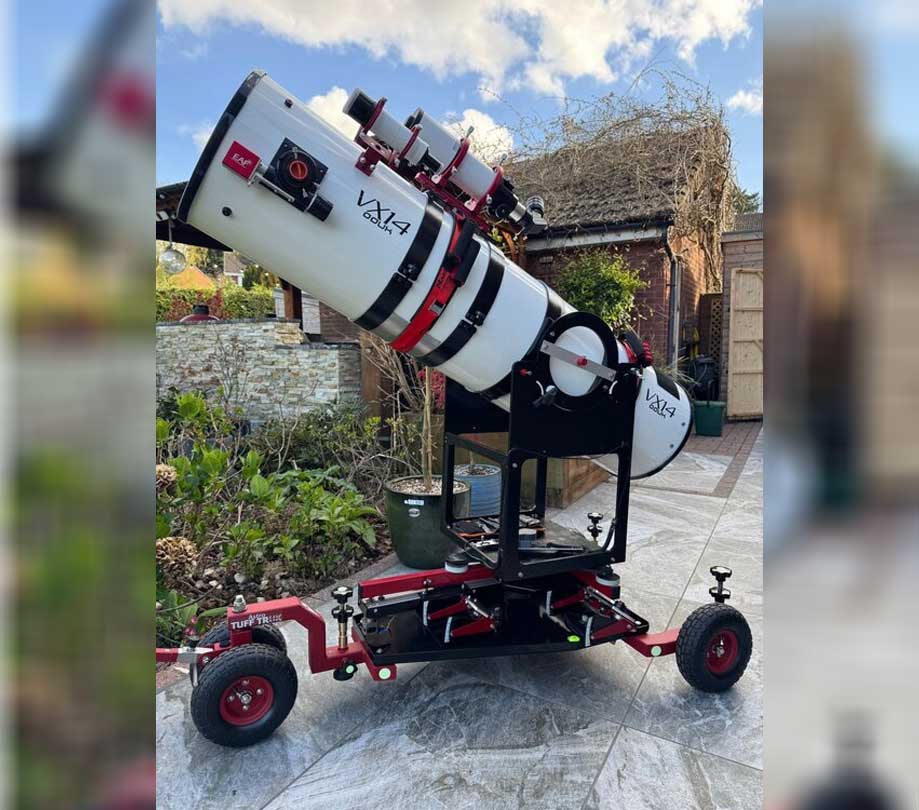
How to make your large dobsonian portable
Monday, May 11, 2026
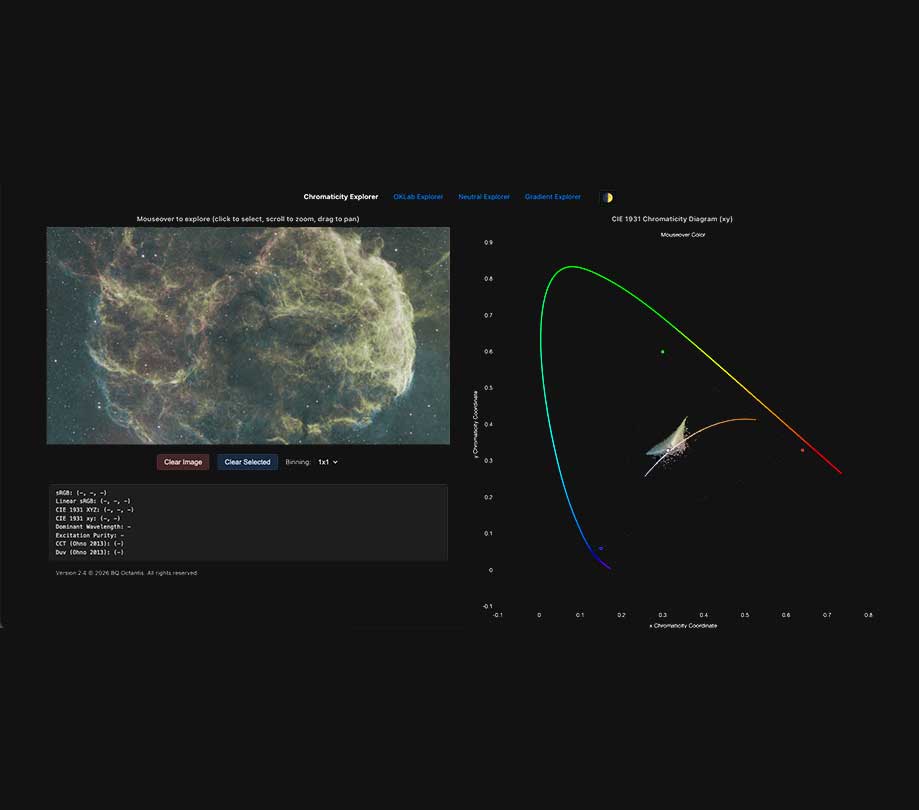
Seeing color clearly with color science tools
Thursday, March 26, 2026
_uo0fbvpz.jpg "Galaxies previously unseen discovered with help from physicist")
Galaxies previously unseen discovered with help from physicist
Tuesday, March 24, 2026

ASCOM Platform 7.1 Update 2 Released
Tuesday, February 10, 2026
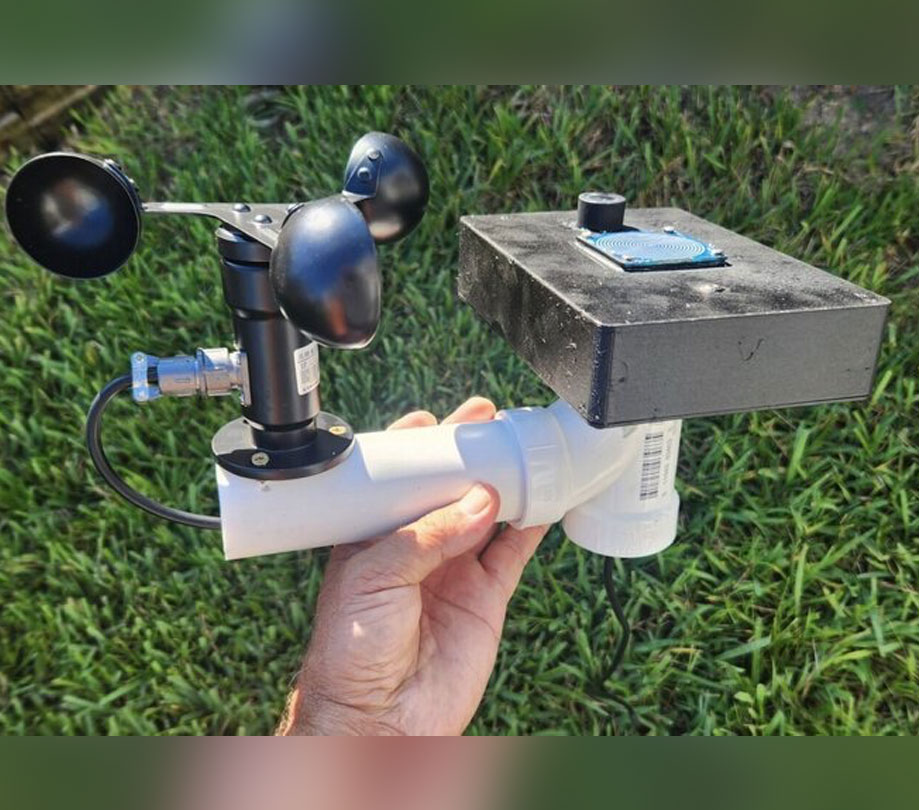
Astro Weather Station by Astro-Smart launches
Thursday, February 5, 2026
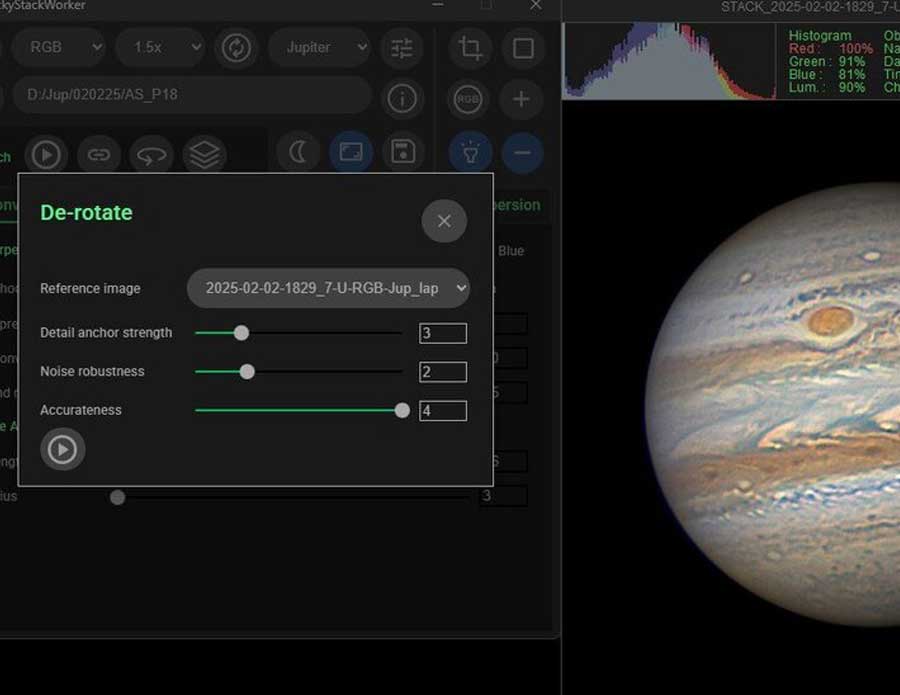
Planet and moon image stacking gets easier with LuckyStackWorker 7
Wednesday, January 14, 2026
Stay Updated
Sign up for our newsletter for the headlines delivered to youSuccessFull SignUp

|