
| jty.astro | |
 Joined 2/18/2026 Loc: AZ, US | Posted 8/26/2026 6:13:38 AM CST
The Problem For many years I have been looking for the perfect finder. I tend to prefer laser finders since you generally don't have to contort your body to see where your telescope is pointing, it is also generally easier to see where you are pointing. The downside is that you really can't use it until it is dark. Also, I really haven't been satisfied with what the market has to offer, solutions seem clunky and not very elegant.
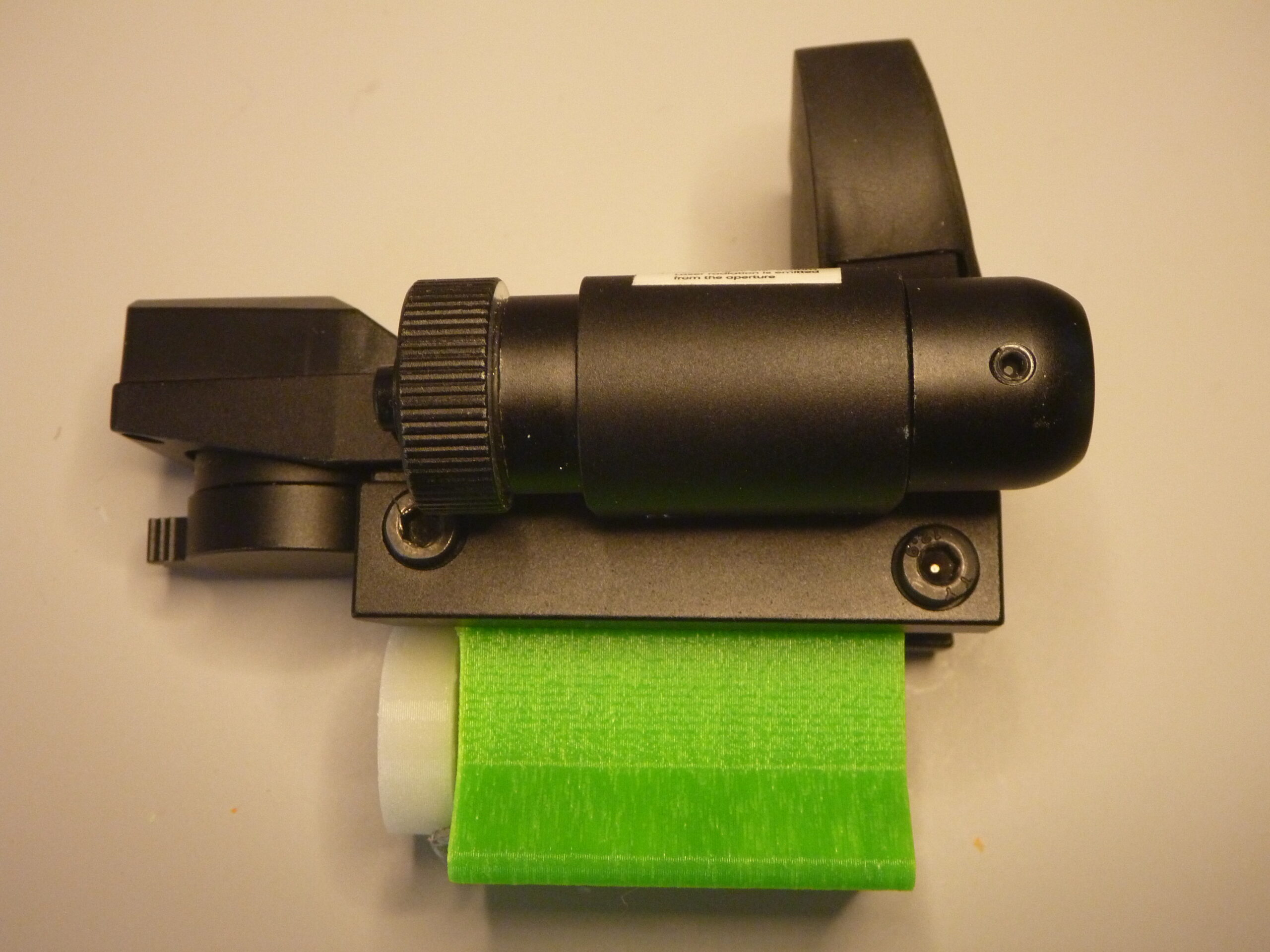
The Find Through the years I have created my own laser pointers. but recently stumbled upon a laser pointer for rifles that combined a red-dot type finder and a laser in one compact package. I was excited and figured I would just have to design and 3D print a base to make it compatible with a dovetail type mount so I could use it on my telescopes. I ordered the finder and was very pleased with the laser. However, the red-dot was WAY too bright to use at night, even though it has five brightness settings. I decided to see if I could make modifications to this finder to get it to work for astronomical purposes.
The Modifications Trying to understand how the red-dot worked, and what modifications I would need to make put me on a week-long journey of research. I discovered that the finder has s small circuit board with five different resisters give about a 10x change in brightness. I figured out how I could replace the resistors and determined that my solution would provide a 200x change in brightness from the brightest levels (usable during the day) to the dimmest level (appropriate for very dark skies without impairing the stars in the field of view). I also created a base/adapter that is compatible with standard dovetail mounts. I also decided to incorporate the Allen wrenches needed to adjust the finder in the base of the finder so they are readily available and not easily misplaced.
How to Do it I have posted a summary of the process and equipment needed in a PDF document along with STL files for 3D printing your own base and also an instructional video (22 minutes) that details the process of how make your own finder on my website at ArtCentrics.com under the | Astronomy | Education | webpage. or you can select the appropriate links above to download/view these files directly. |
Please log in to reply →
Need an account?

Recent Topics
Featured Stories

New Space Capitalism: An argument for capitalism in the new frontier
Monday, June 22, 2026
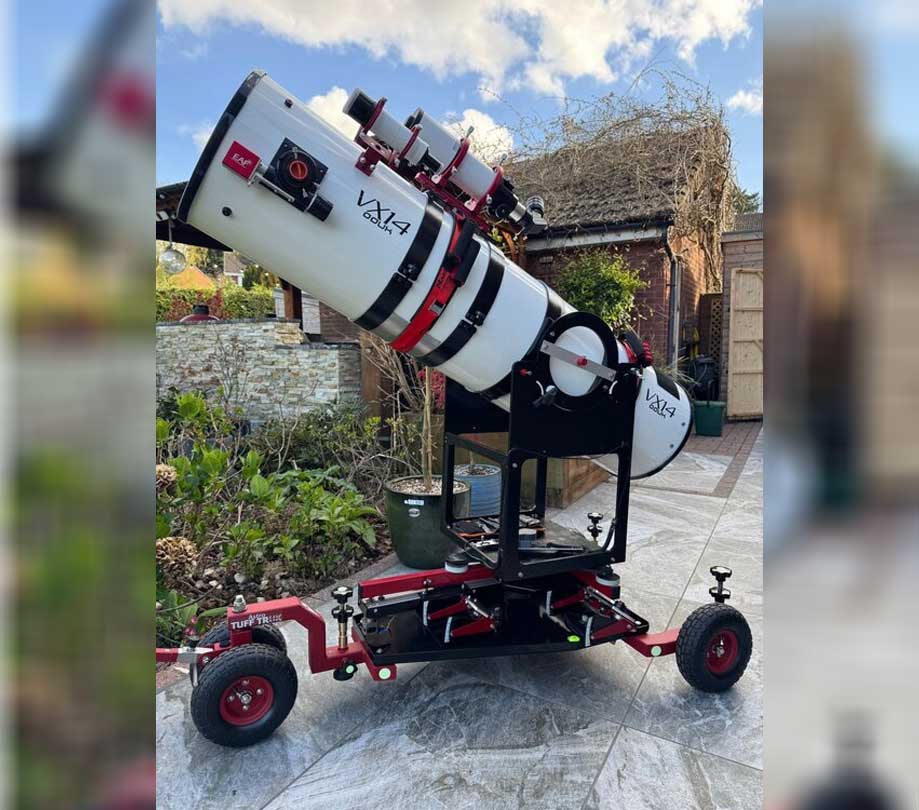
How to make your large dobsonian portable
Monday, May 11, 2026
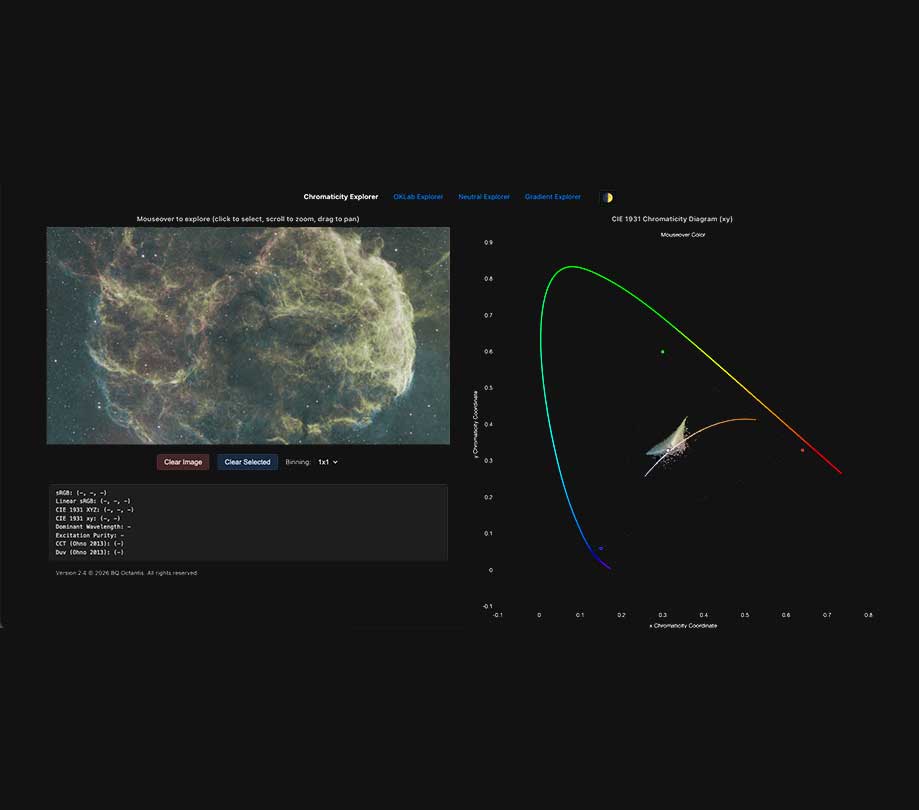
Seeing color clearly with color science tools
Thursday, March 26, 2026
_uo0fbvpz.jpg "Galaxies previously unseen discovered with help from physicist")
Galaxies previously unseen discovered with help from physicist
Tuesday, March 24, 2026
ASCOM Platform 7.1 Update 2 Released
Tuesday, February 10, 2026
Astro Weather Station by Astro-Smart launches
Thursday, February 5, 2026
Planet and moon image stacking gets easier with LuckyStackWorker 7
Wednesday, January 14, 2026
Stay Updated
Sign up for our newsletter for the headlines delivered to youSuccessFull SignUp
|