
Starfront ObservatoriesStarfront ObservatoriesStarfront Observatories

Starfront Observatories

--

Unverified, is this your company? Click here to claim it and get verified.

Remote Observatories  

Founded Employees Social Traffic
-- -- -- --

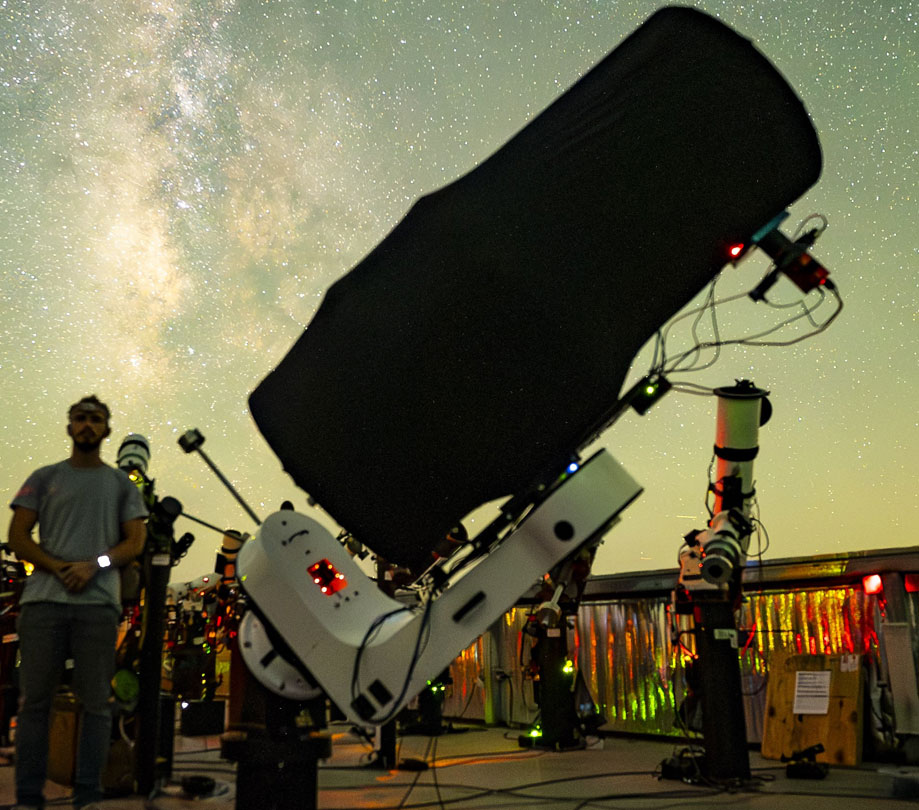
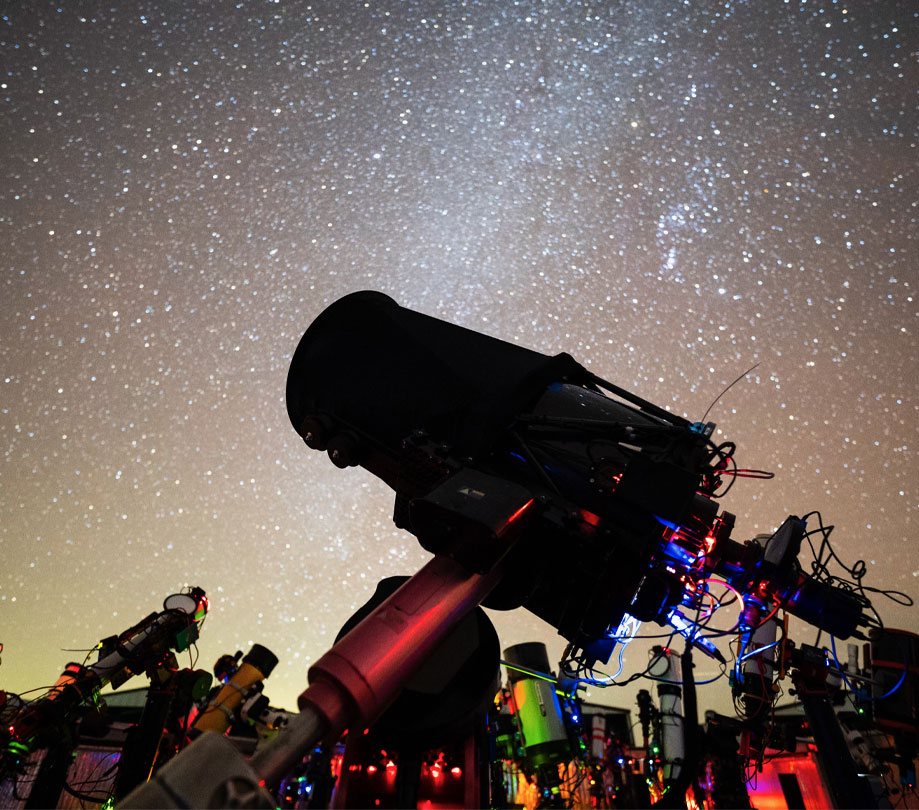
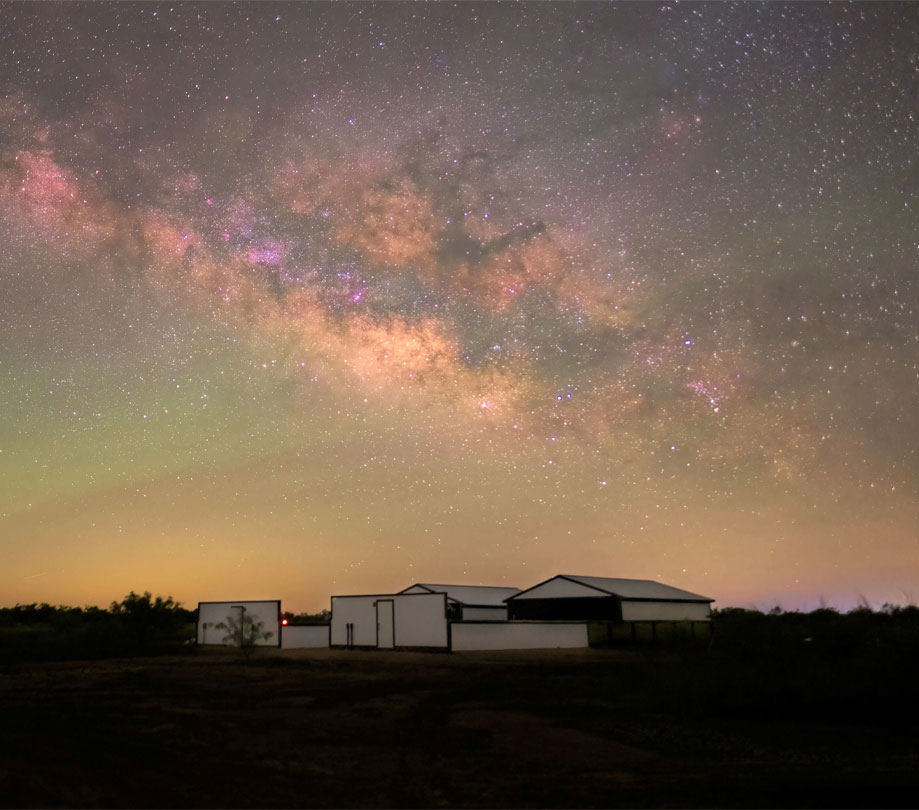
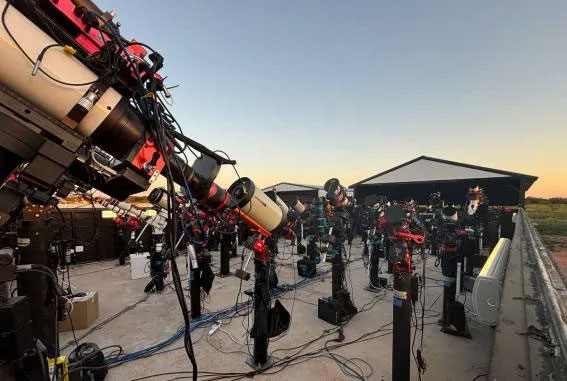
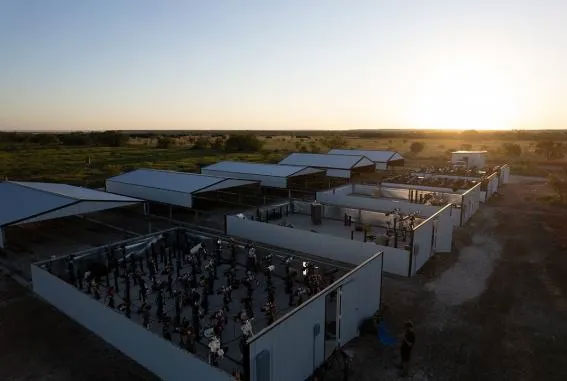
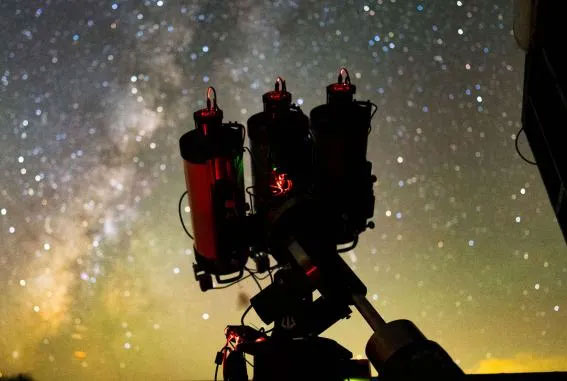
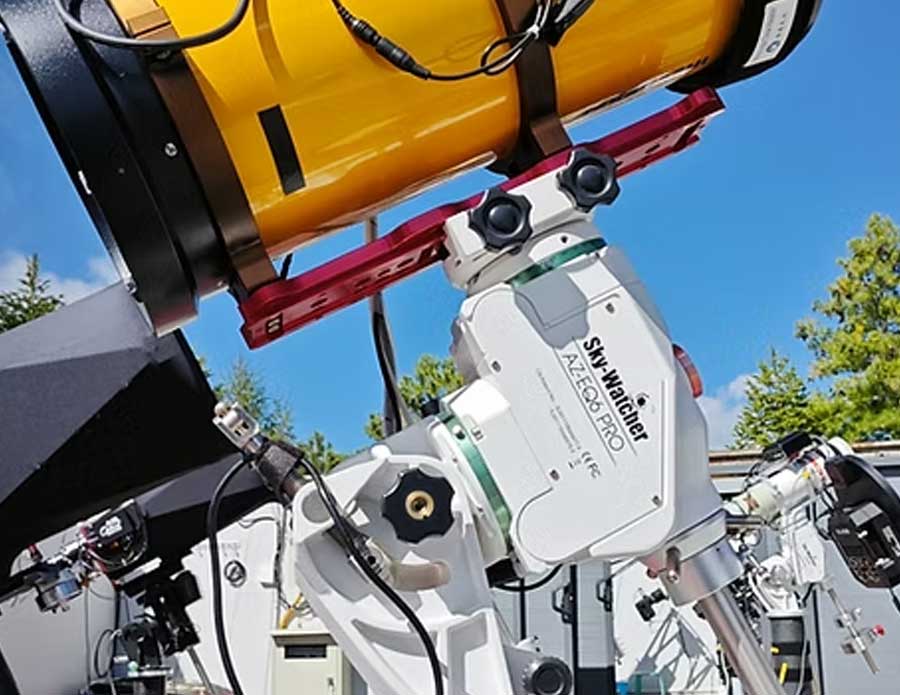
Starfront Observatories is a premier destination where advanced technology meets the breathtaking beauty of the cosmos. Located near Brady, Texas, the observatory offers an exceptional remote telescope hosting experience under pristine Bortle 1 skies—one of the darkest environments available for astrophotography.

Designed to provide astrophotographers with optimal conditions for capturing stunning celestial images, Starfront eliminates the challenges of light pollution and frequent travel. The facility features a state-of-the-art roll-off-roof design that automatically opens on clear nights, ensuring uninterrupted access to the night sky. Additionally, a climate-controlled environment protects equipment, while 1 Gbps symmetrical fiber internet enables seamless remote operation.

Starfront Observatories is dedicated to making professional-quality astrophotography accessible to enthusiasts of all levels. With membership plans starting at just $149 per month, users gain exclusive access to their own remote observatory setup, supported by a team of experts with decades of experience. Whether for seasoned astronomers or passionate beginners, Starfront provides a worry-free, high-performance hosting solution.

Boasting over 220 clear nights per year, Starfront Observatories offers unparalleled clarity and stability for astrophotography. Its mission is to remove barriers to deep-space imaging, allowing individuals to focus solely on capturing the wonders of the universe.


Address Info

1724 Co Rd 244

Rockwood, TX 76873

US

Contact Info

(945) 219-1419


Social Links


Starfront Observatories in astronomy news


Latest Video


AM7 Mount Replaces CGX-L


Recent Topics


Ghost in the dome
Started By moonbeam on 3/22/2026 7:53:39 AM
A shoutout to the talented women of astrophotography today!
Started By moonbeam on 3/8/2026 8:18:35 AM
Astrophotography and the cold, pro tips article
Started By moonbeam on 3/4/2026 3:49:38 PM
Why We Photograph the Cosmos and What It Teaches Us About Ourselves
Started By moonbeam on 2/19/2026 7:54:57 AM
ZWO AM7 Review
Started By moonbeam on 2/16/2026 2:38:12 PM
Classified Listings
Started By manfrednasa on 2/11/2026 3:14:57 PM
miniCam8 review plus more inside our February 2026 issue!
Started By moonbeam on 2/4/2026 9:01:24 AM
ZWO teases AM7 release!
Started By moonbeam on 1/26/2026 11:24:43 AM
Another Aurora!
Started By spazmagi on 1/19/2026 1:28:43 PM
StellarMate problems made me switch back to ASIAIR
Started By moonbeam on 1/12/2026 11:04:05 AM

Astronomy Picture of the Day

2026-04-05
NGC 3310: A Starburst Spiral Galaxy
NGC 3310: A Starburst Spiral Galaxy - 2026-04-05 - Image by AAO ITSO Office, 
Gemini Obs./AURA & 
T. A. Rector 
(U. Alaska Anchorage) (NASA Astronomy Picture of the Day)
Image Credit: AAO ITSO Office, Gemini Obs./AURA & T. A. Rector (U. Alaska Anchorage)
The party is still going on in spiral galaxy NGC 3310. Roughly 100 million years ago, NGC 3310 likely collided with a smaller galaxy causing the large spiral galaxy to light up with a tremendous burst of star formation. The changing gravity during the collision created density waves that compressed existing clouds of gas and triggered the star-forming party. The featured image from the Gemini North Telescope shows the galaxy in great detail, color-coded so that pink highlights gas while white and blue highlight stars. Some of the star clusters in the galaxy are quite young, indicating that starburst galaxies may remain in star-burst mode for quite some time. NGC 3310 spans about 50,000 light years, lies about 50 million light years away, and is visible with a small telescope towards the constellation of Great Bear Ursa Major.

Featured Stories


ASCOM Platform 7.1 Update 2 Released
ASCOM Platform 7.1 Update 2 Released Tuesday, February 10, 2026


Stay Updated

Sign up for our newsletter for the headlines delivered to you

SuccessFull SignUp


Get More Astronomy News →