You searched for "sky rover optics"


3 sky rover optics astronomy news items found


Sky-Rover-Binoculars-go-GIANT

Sky Rover Binoculars go GIANT


Monday, December 23, 2024 by

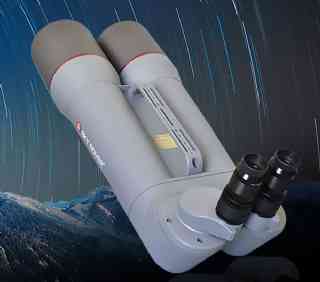
Sky Rover Optics recently introduced the Sky Rover Banner Cloud Series Giant Binoculars, a line designed to meet the diverse needs of both astronomy enthusiasts and nature observers. Known for their durable construction, exceptional optical performance, and competitive pricing, Sky Rover binoculars offer an unparalleled viewing experience across a wide range of models. ...


Sky-Rover-Optics-12x56-15x56-APO-binoculars-released

Sky Rover Optics 12x56 15x56 APO binoculars released


Tuesday, November 12, 2024 by

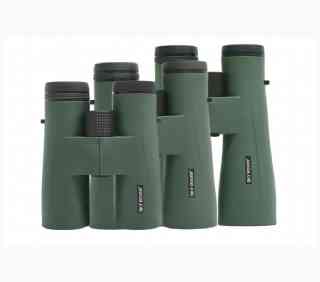
Sky Rover Optics is proud to announce the release of its cutting-edge Banner Cloud series of APO binoculars, now available in multiple models including the 8x42, 10x42, 10x50, 12x50, 12x56, and 15x56. Designed for outdoor enthusiasts, bird watchers, stargazers, and concertgoers alike, the Banner Cloud APO binoculars combine high-quality optics with durable, portable con...


Binocular-smartphone-adapter-from-Sky-Rover-Optics-lands

Binocular smartphone adapter from Sky Rover Optics lands


Tuesday, September 10, 2024 by

Sky Rover Optics has launched a smartphone adapter for Banner Cloud APO Series binoculars, which opens up possibilities for some fun telephoto photography. The smartphone adapter features threaded connections on both ends, offering a more secure and precise alignment compared to the common clamp-style mounts available on the market. This threaded design ensures a cleare...


Found in the Marketplace


Founded Employees Social Traffic
-- -- -- --

In 2003, established factory. View more about Sky Rover Optics


Astronomy Picture of the Day

2026-04-03
Caught in the Web: Visualization of a Black Hole Merger in the Tarantula Nebula
Caught in the Web: Visualization of a Black Hole Merger in the Tarantula Nebula - 2026-04-03 - Image by Carl Knox (NASA Astronomy Picture of the Day)
Image Credit: Carl Knox
How can we see what is invisible? Black holes are not easy to see in the dark cosmic night, but astronomers can find them by analyzing their gravitational effects on matter, light and spacetime. The featured image shows an illustration that combines a simulation of a black hole binary system in its final "death-dance" with an astrophotography image of the Tarantula Nebula in the background. Even though black holes don't emit light, they distort the path of light rays, acting like a gravitational lens. As a result, the nebula appears extremely distorted, forming Einstein rings and multiple images. Tarantula Nebula lies in the Large Magellanic Cloud, a dwarf galaxy that is one of the satellite galaxies of the Milky Way, 160,000 light-years away. That is more than 1,000 times closer than any of the binary black hole mergers detected so far. We'll probably never detect a merger so close to home!

Latest Video


AM7 Mount Replaces CGX-L


Recent Topics


Ghost in the dome
Started By moonbeam on 3/22/2026 7:53:39 AM
A shoutout to the talented women of astrophotography today!
Started By moonbeam on 3/8/2026 8:18:35 AM
Astrophotography and the cold, pro tips article
Started By moonbeam on 3/4/2026 3:49:38 PM
Why We Photograph the Cosmos and What It Teaches Us About Ourselves
Started By moonbeam on 2/19/2026 7:54:57 AM
ZWO AM7 Review
Started By moonbeam on 2/16/2026 2:38:12 PM
Classified Listings
Started By manfrednasa on 2/11/2026 3:14:57 PM
miniCam8 review plus more inside our February 2026 issue!
Started By moonbeam on 2/4/2026 9:01:24 AM
ZWO teases AM7 release!
Started By moonbeam on 1/26/2026 11:24:43 AM
Another Aurora!
Started By spazmagi on 1/19/2026 1:28:43 PM
StellarMate problems made me switch back to ASIAIR
Started By moonbeam on 1/12/2026 11:04:05 AM

Featured Stories


ASCOM Platform 7.1 Update 2 Released
ASCOM Platform 7.1 Update 2 Released Tuesday, February 10, 2026


Stay Updated

Sign up for our newsletter for the headlines delivered to you

SuccessFull SignUp


Get More Astronomy News →