3D printed telescope mount DIY
Igor Petrov, a 35-year-old leading design engineer from Russia, has combined his childhood interests in astronomy and photography with his expertise in electronics to delve into the world of astrophotography since 2014. Petrov graduated from the radio engineering department of the Ural Federal University with a degree in radio electronics. In the unique climate and light conditions of his region, traditional astronomical observations were insufficient, prompting him to explore the photographic method to capture celestial details.
Creating a 3D printed telescope mount DIY, using 3D printing and harmonic gearboxes
Petrov began his astrophotography journey with a 150 mm reflector telescope with a focal length of 750 mm, mounted on a common CG-4 (EQ3-2) mount. He equipped this setup with a homemade control system based on the Atmega2560 controller from the AstroEQ project by Thomas Carpenter. Later, he added an 80 mm apochromat and a second-hand EQ6 mount to his collection, despite its considerable weight.
Astrophotography is a passion project for Petrov, bringing him closer to space and the latest astronomical events, even with a delay of hundreds of thousands of years. Due to the non-monetary nature of this hobby, Petrov is cautious about his spending on equipment.
With a penchant for building, Petrov aimed to create a homemade mount that combined the lightness of the EQ3-2 with the stiffness of the EQ6. He frequently reviews equipment on the internet and discovered the Chinese ZWO AM5 mount with harmonic gearboxes. Intrigued by the design, lightweight under heavy loads, and minimal backlash of these gearboxes, Petrov was inspired by a homemade mount showcased on the YouTube channel "Crafted By JZ," where the author used harmonic gearboxes and aluminum plates cut on a waterjet machine, complemented by 3D-printed decorative walls.
Building a mount with affordable and accessible materials
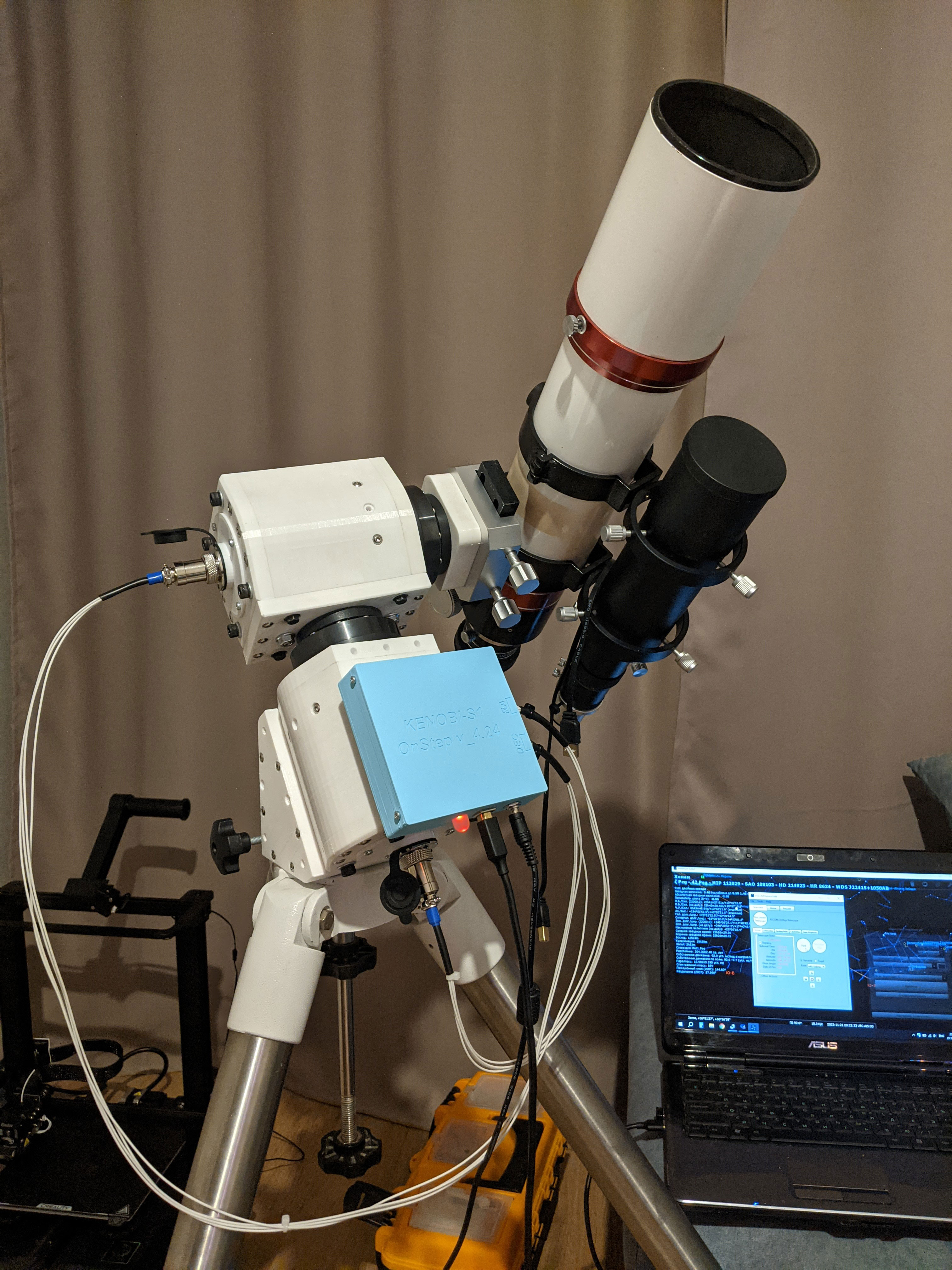
Encouraged by this design, Petrov decided to build a similar mount. Lacking access to metalworking machines, he opted to print the body on his Ender 3 S1 3D printer using PLA plastic. This material, though less strong than metal, was suitable for the cold astronomical season in his area. Petrov printed the parts over a week, day and night, using hard plastic with a high fill factor and reinforced the design with longitudinal metal studs.
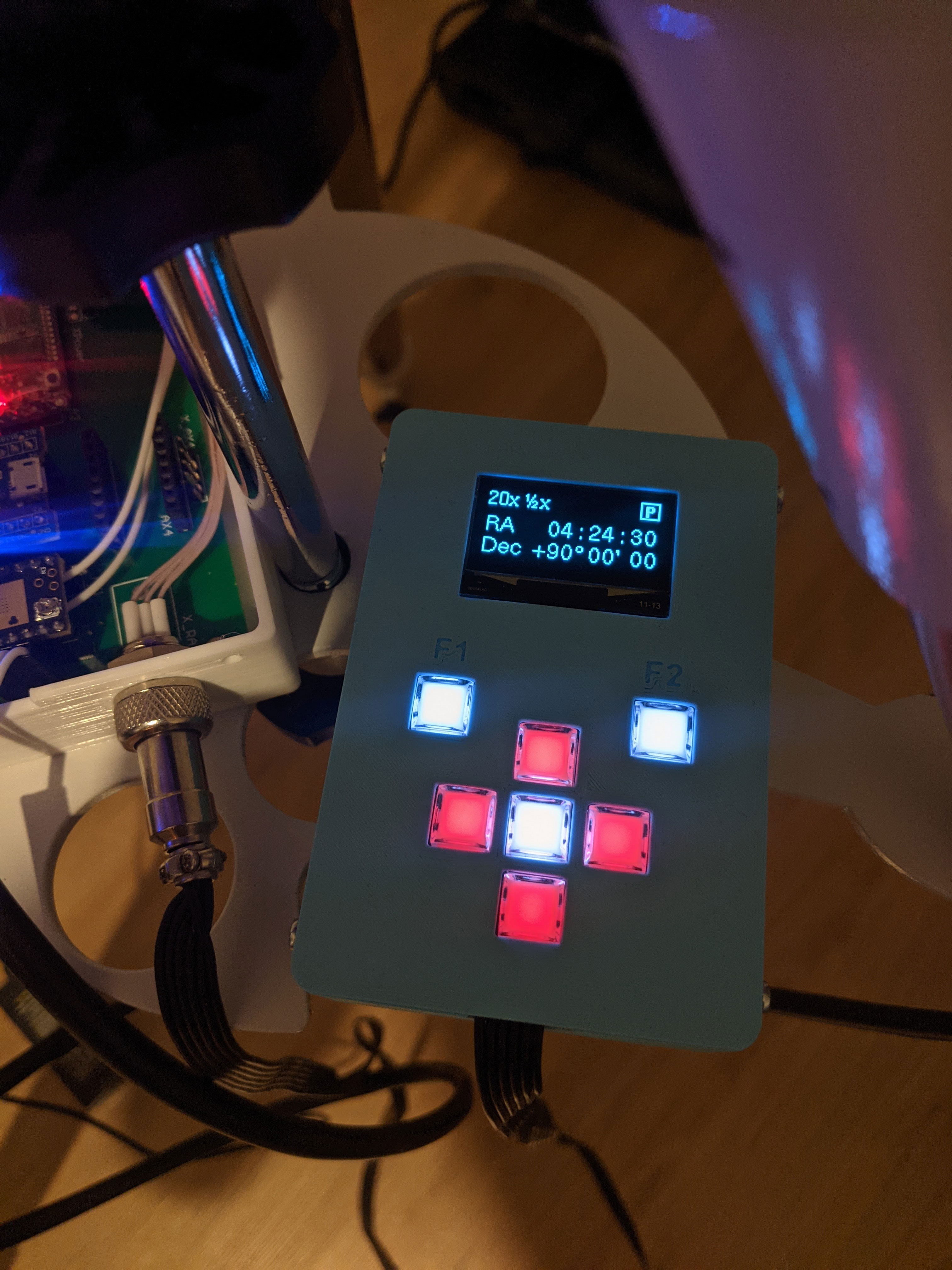
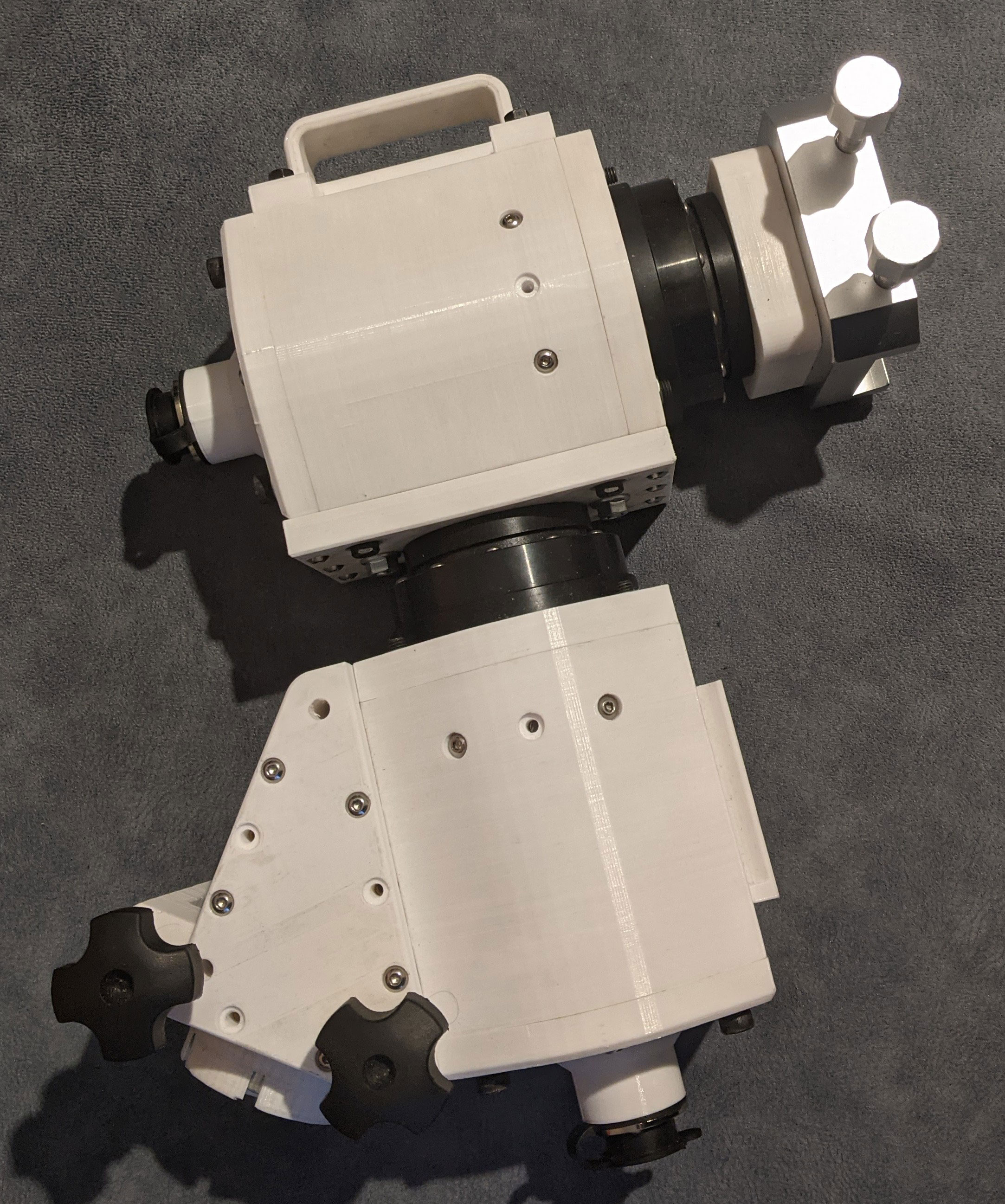
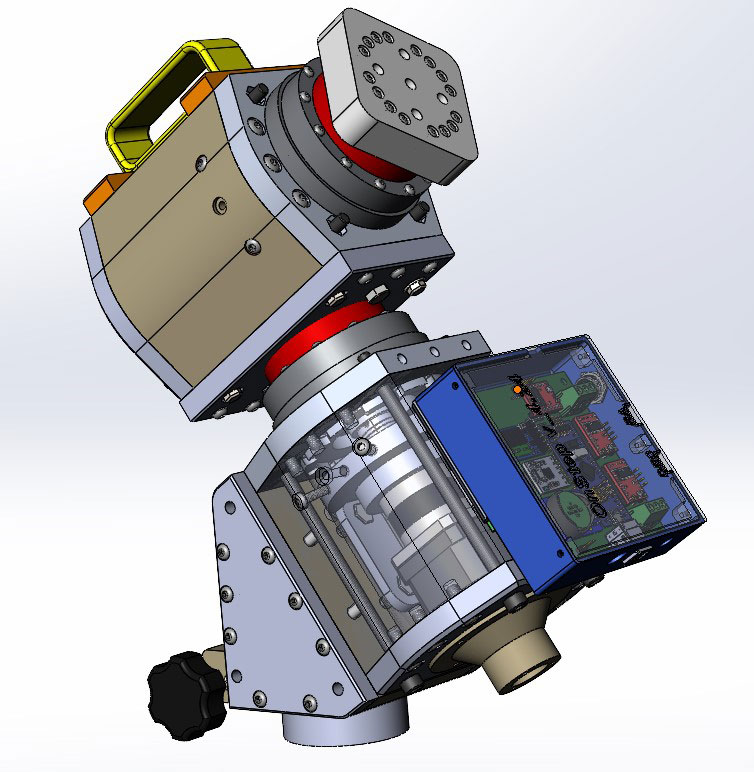
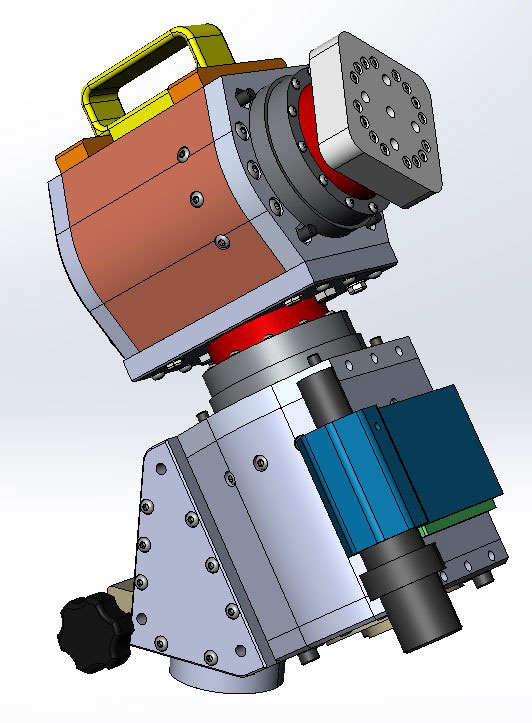
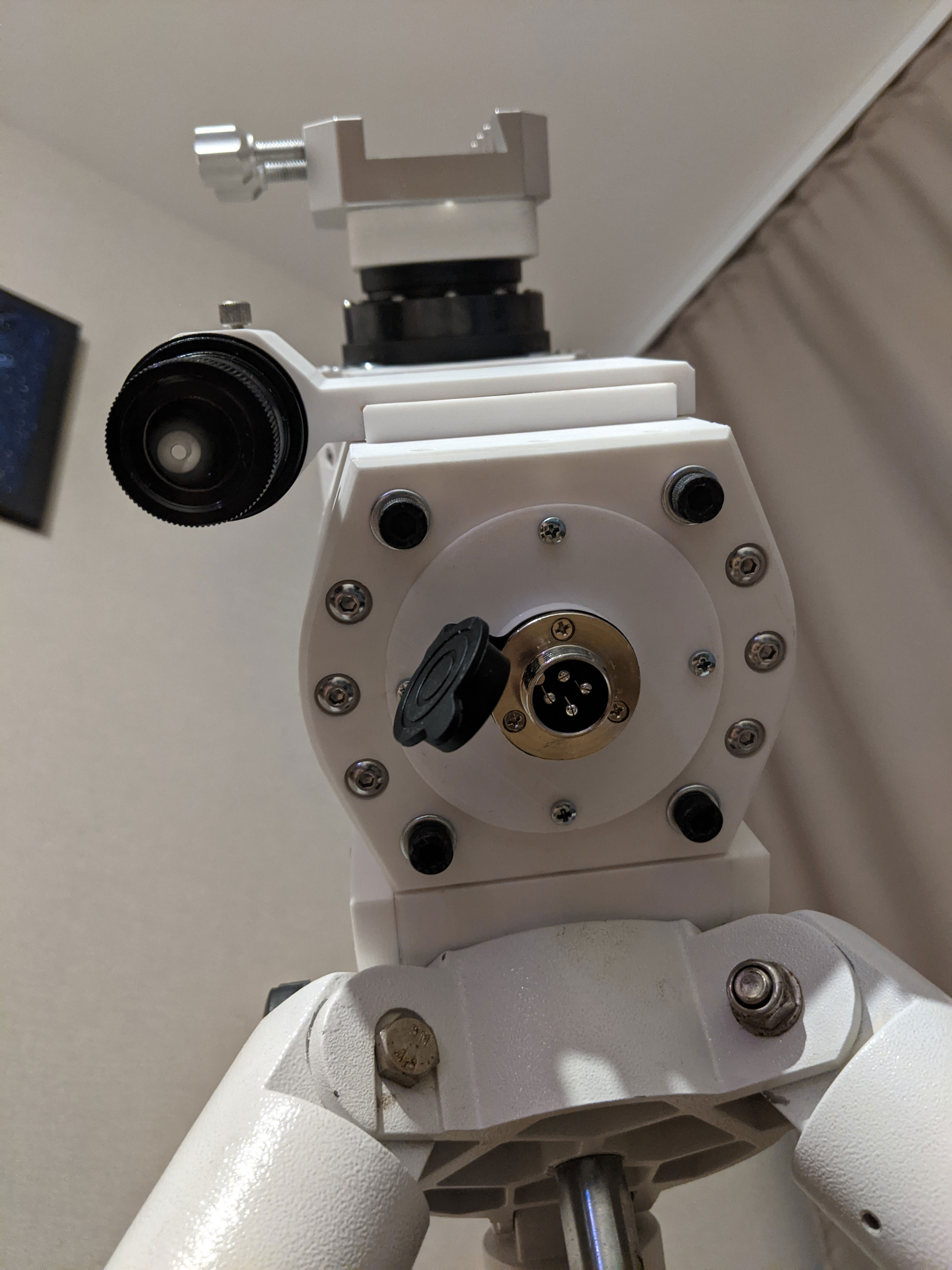
For the control system, Petrov chose the popular open-source OnStep project, developed by Howard Dutton, based on the STM32F103 controller. He designed the board to fit his requirements and installed LV8729 drivers for their quiet operation and wide range of microsteps. To achieve high-resolution control, he included a 10:1 intermediate planetary gearbox. Petrov also added a special plate to the mount, allowing for the attachment of a pole finder or mount control unit, and printed a carrying handle.
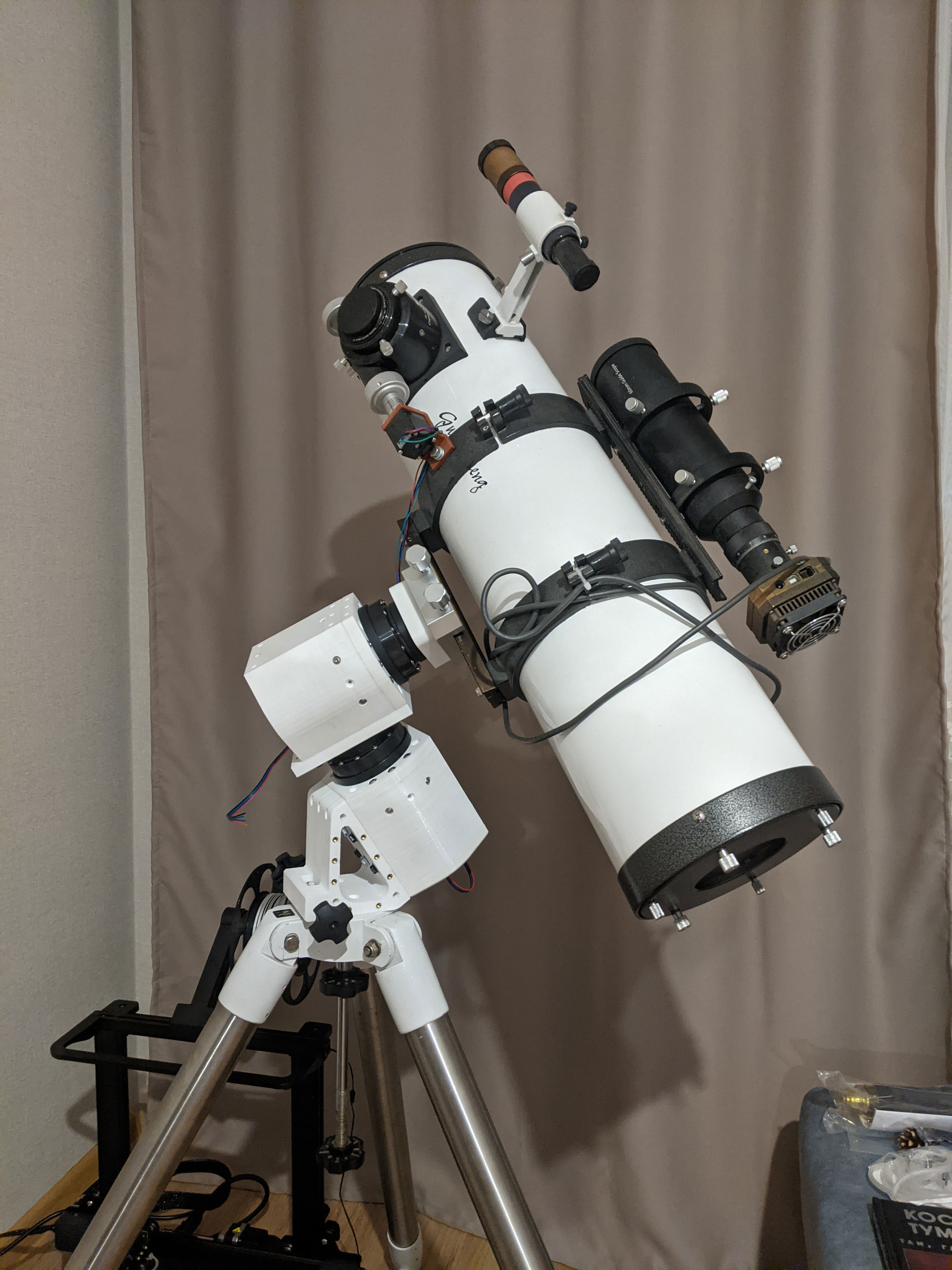
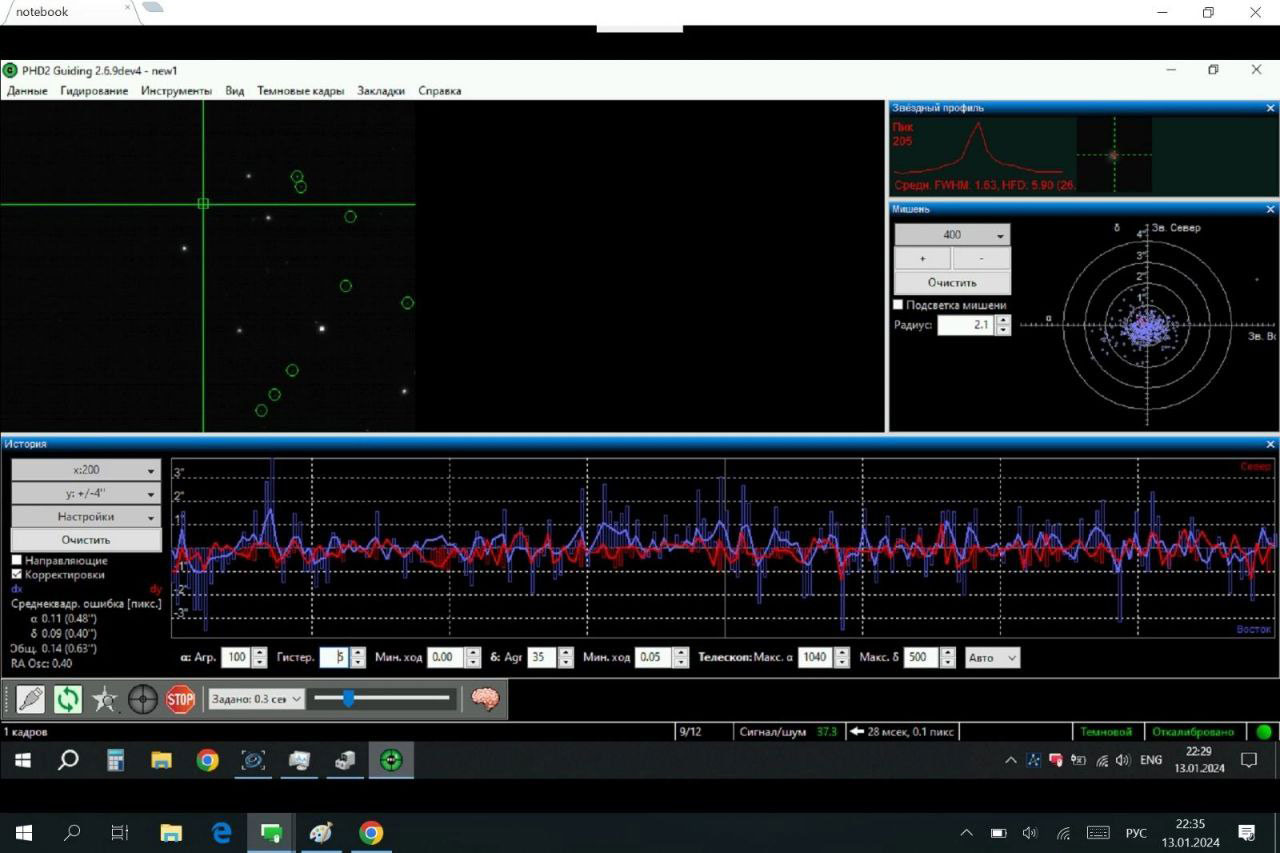
The total weight of the mount was approximately 6 kg, with a cost of around $500-600, including all spare parts. The heaviest load Petrov tested on the mount was his 150 mm reflector, weighing about 8 kg with the body kit. Preliminary testing results showed a total root mean square error in the range of 0.6-1.1”, which he aims to improve using a predictive periodic error correction algorithm in PHD.
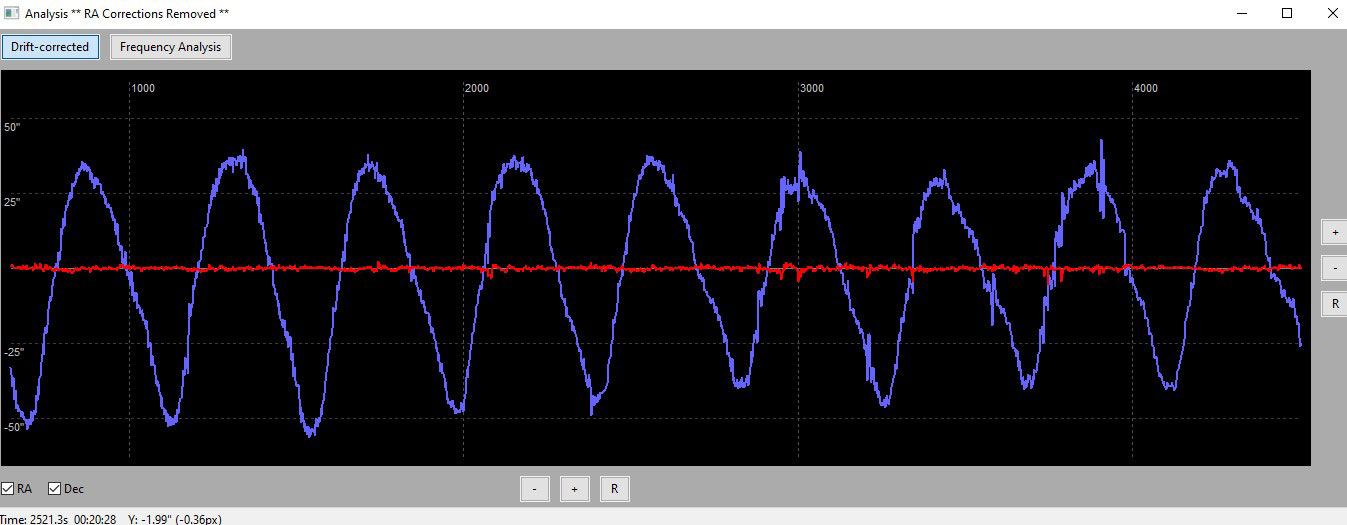
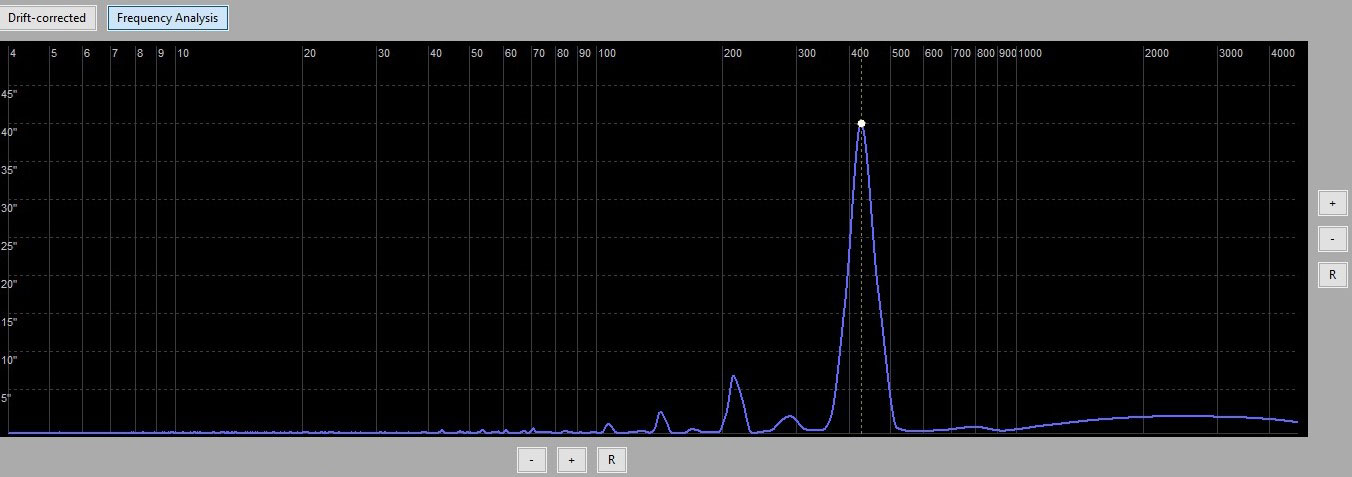
Petrov used affordable gearboxes with a large kinematic error and a span of 90” (period of 432 seconds). He noted that using more expensive gearboxes would likely yield better results. He shared his sources on GitHub, encouraging others to replicate, improve, or create their own designs, fostering a community exchange of experiences and making astronomy more accessible.
Petrov's detailed photo guide to mount assembly and testing
Below is a comprehensive collection of images documenting Igor Petrov's detailed process of assembling and testing his custom 3D printed telescope mount. Each image provides a glimpse into various stages of the project, highlighting the intricate craftsmanship and innovative techniques used.
3D mount printed parts
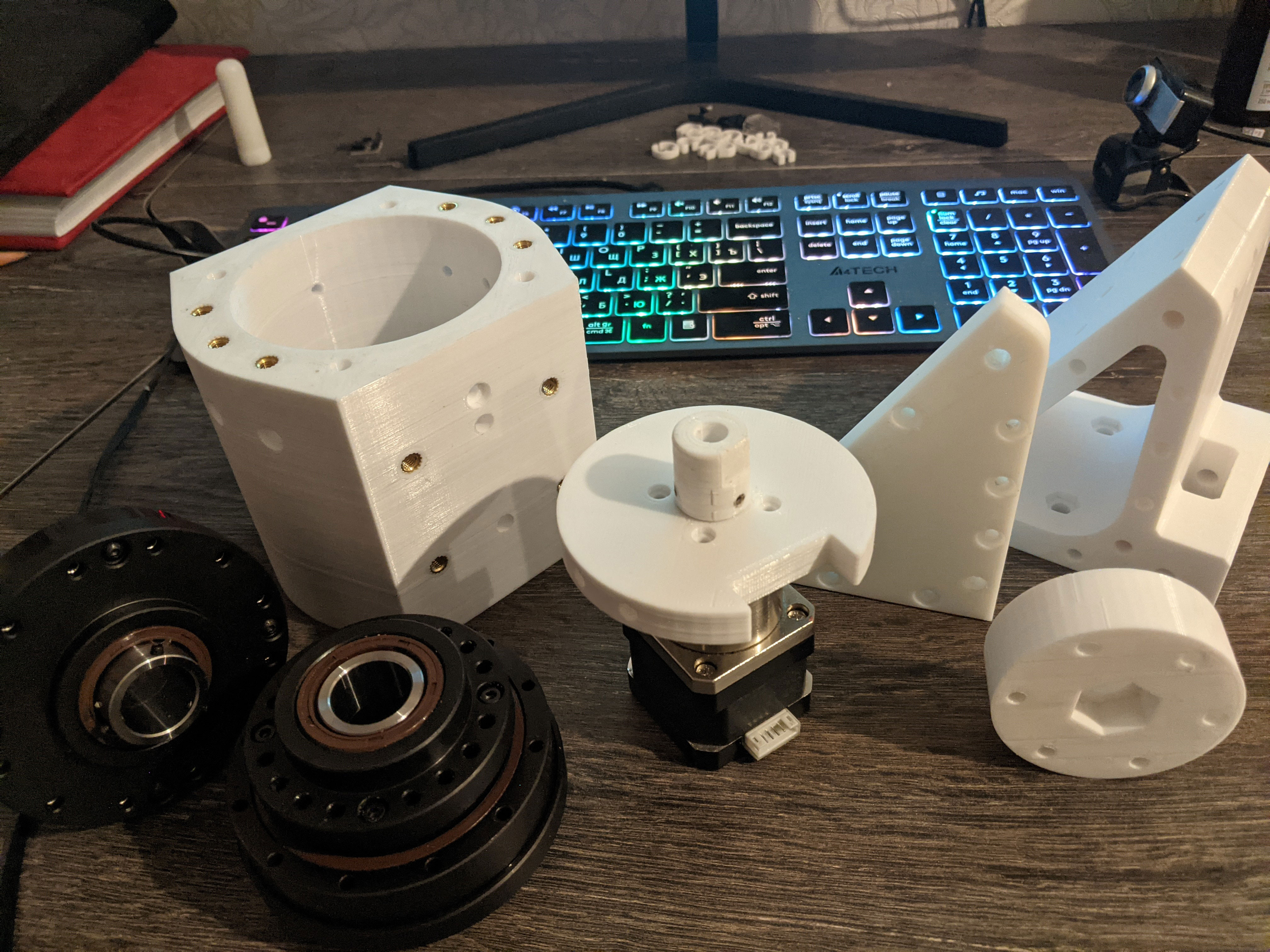
The DEC axis with bearings
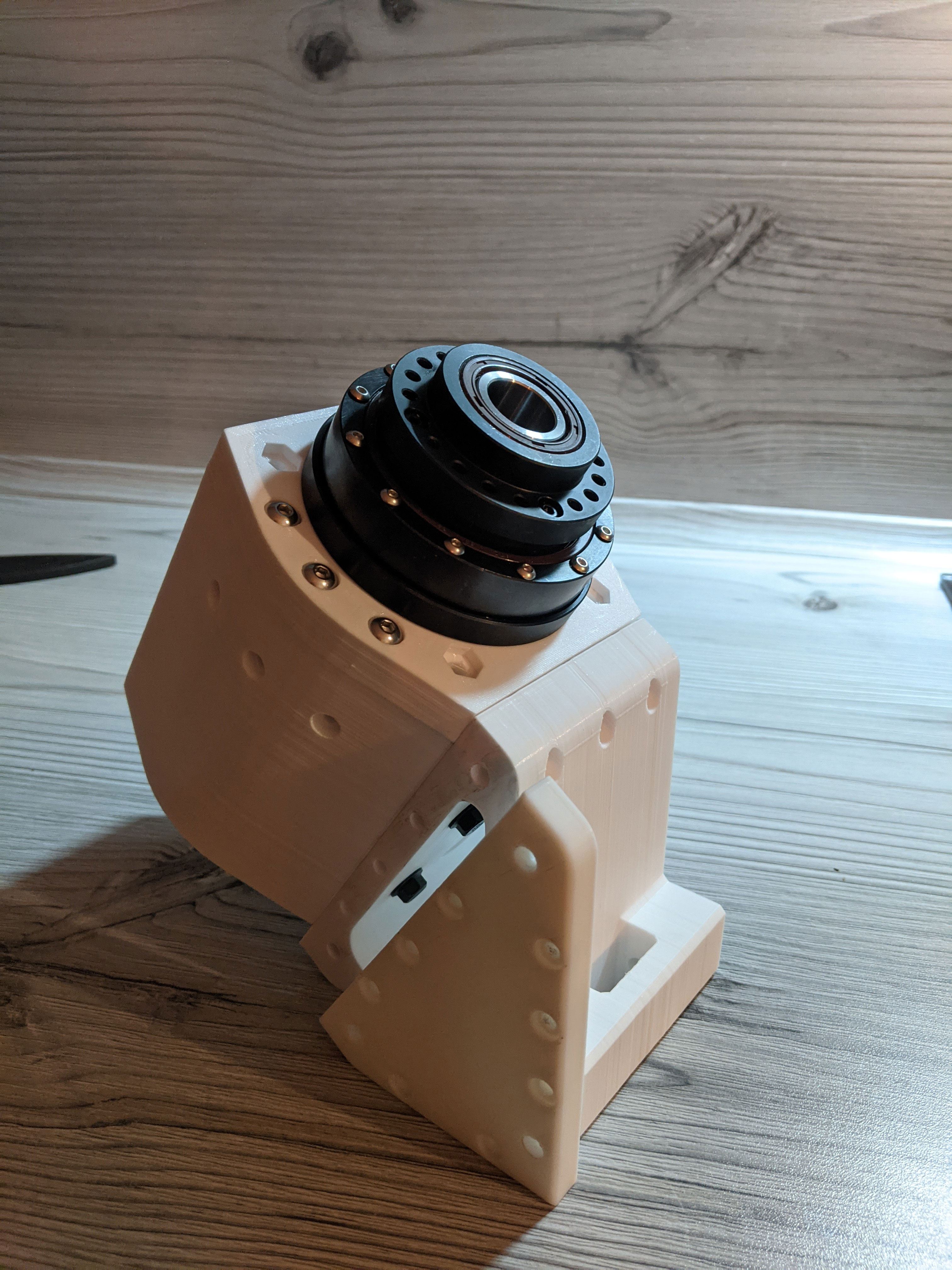
The inside of the RA
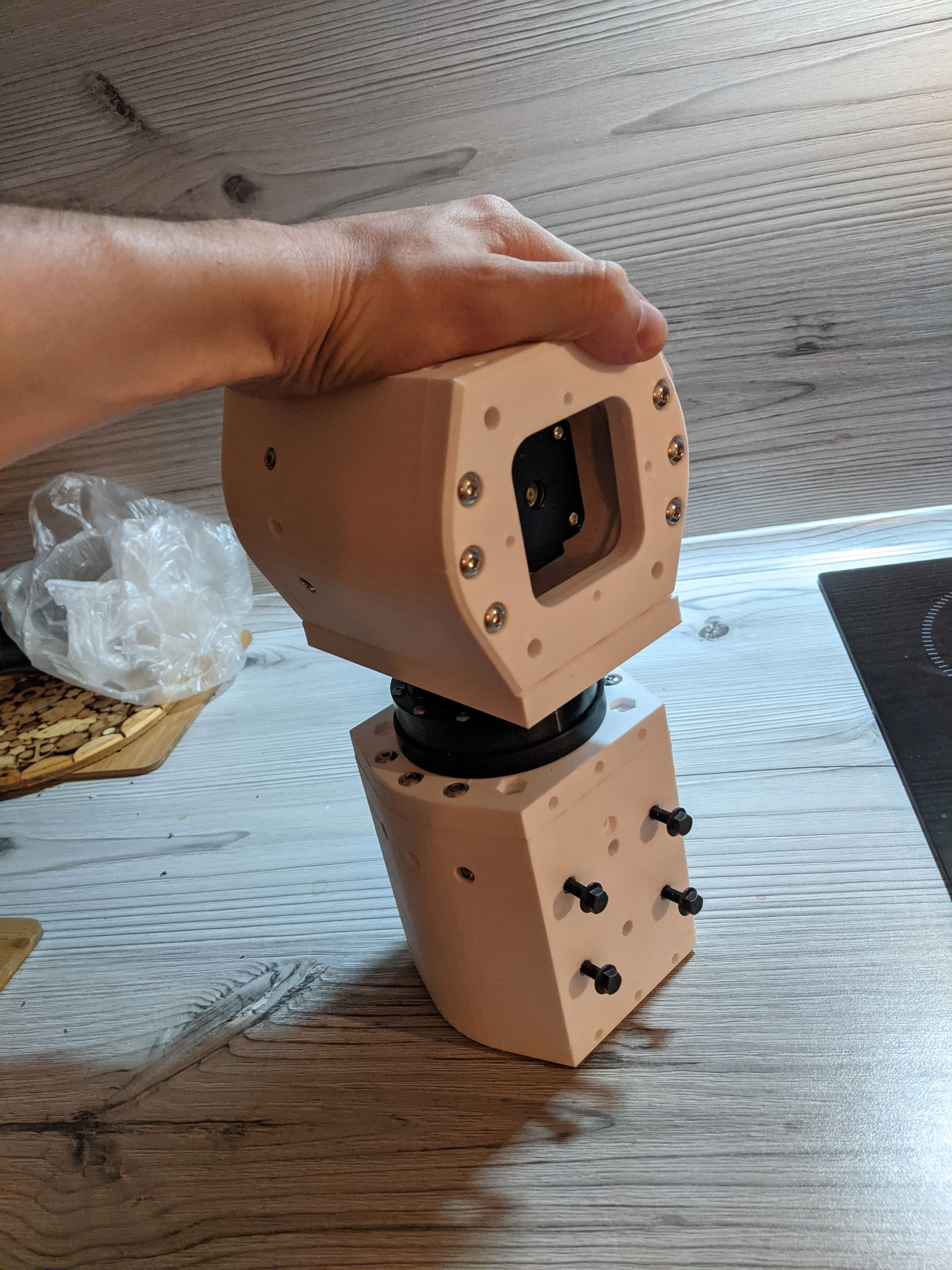
Ready to finish 3D telescope mount

Completed with dovetail plate installed
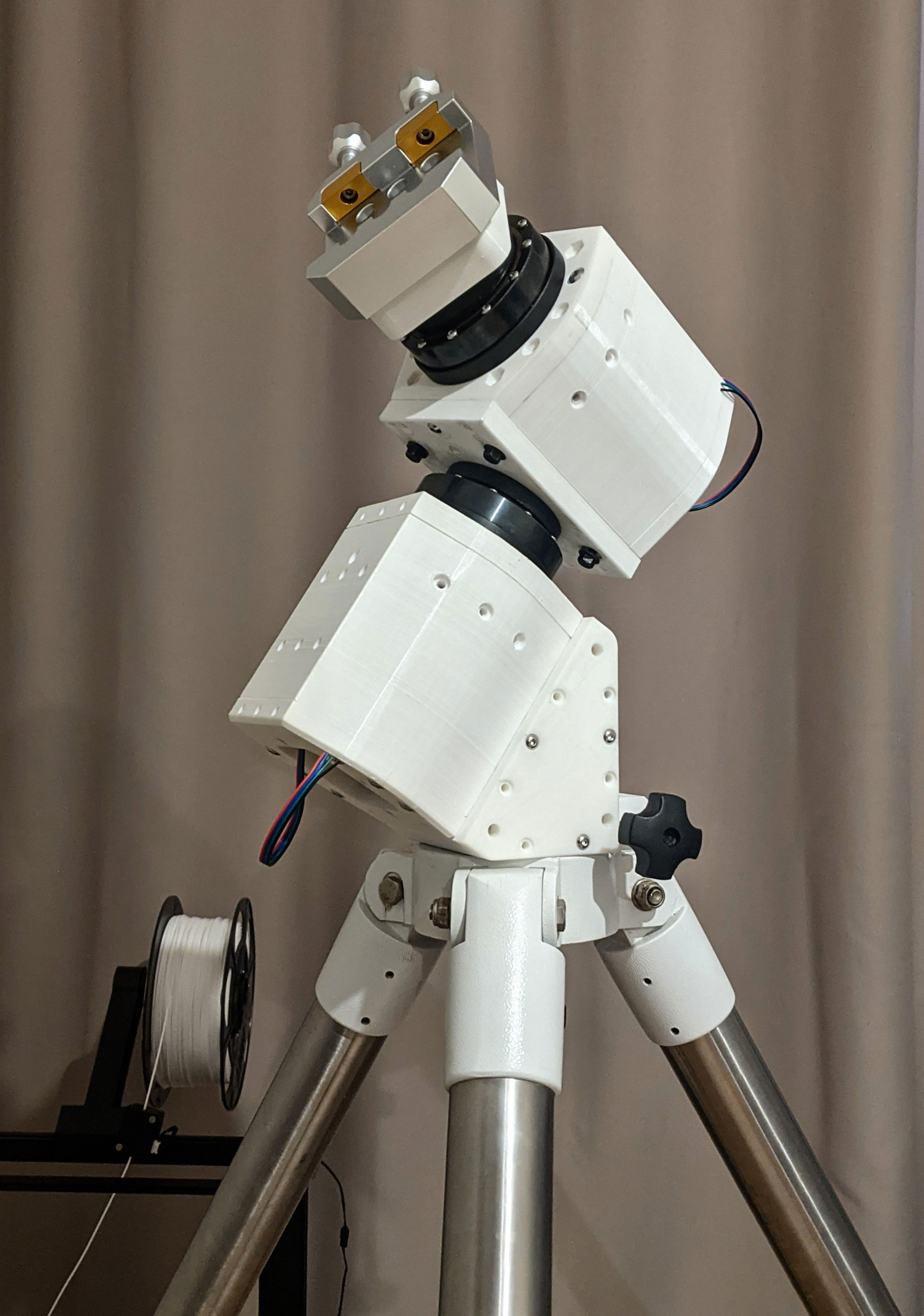
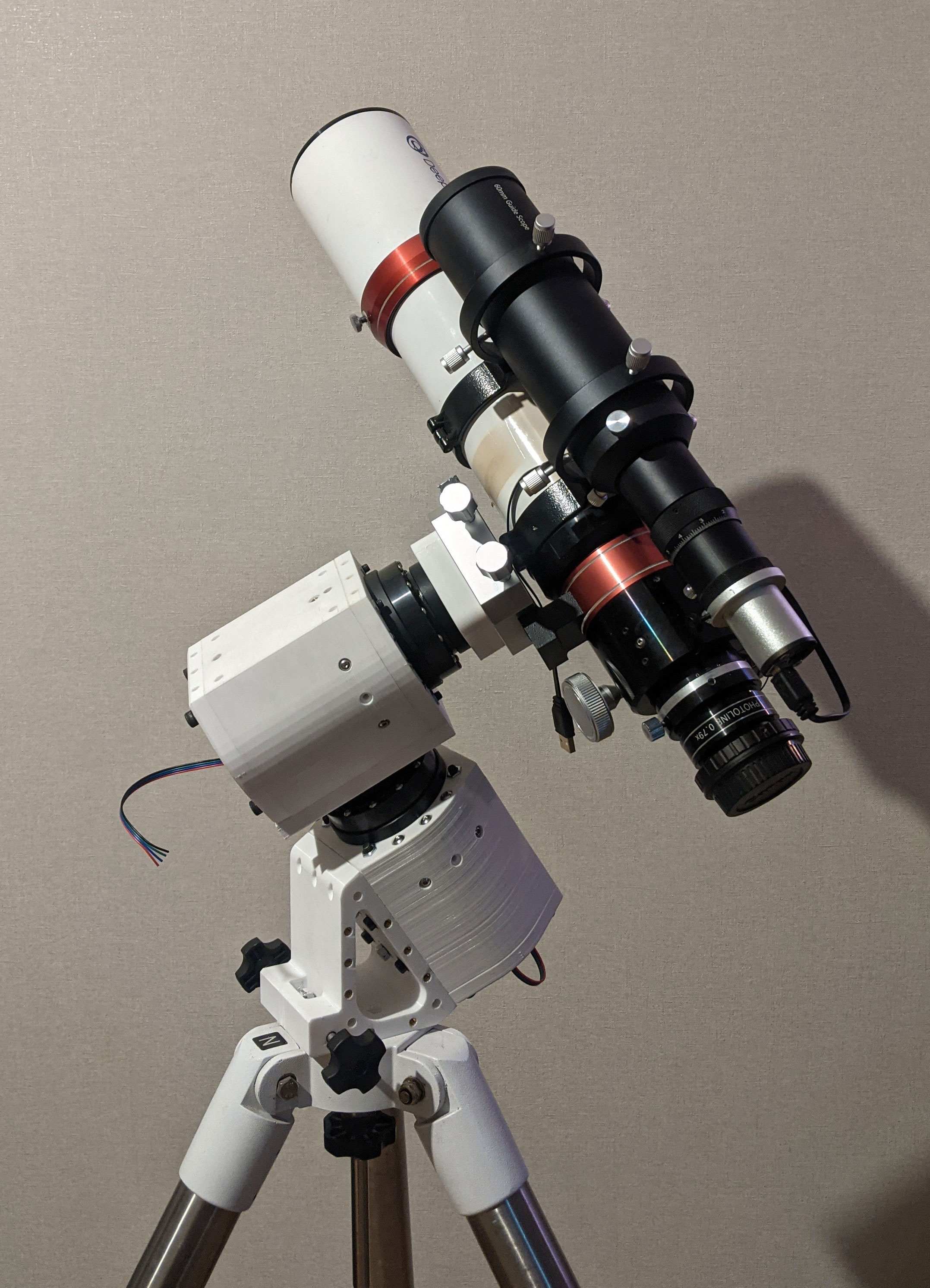
3D printed telescope mount with telescope and guide scope
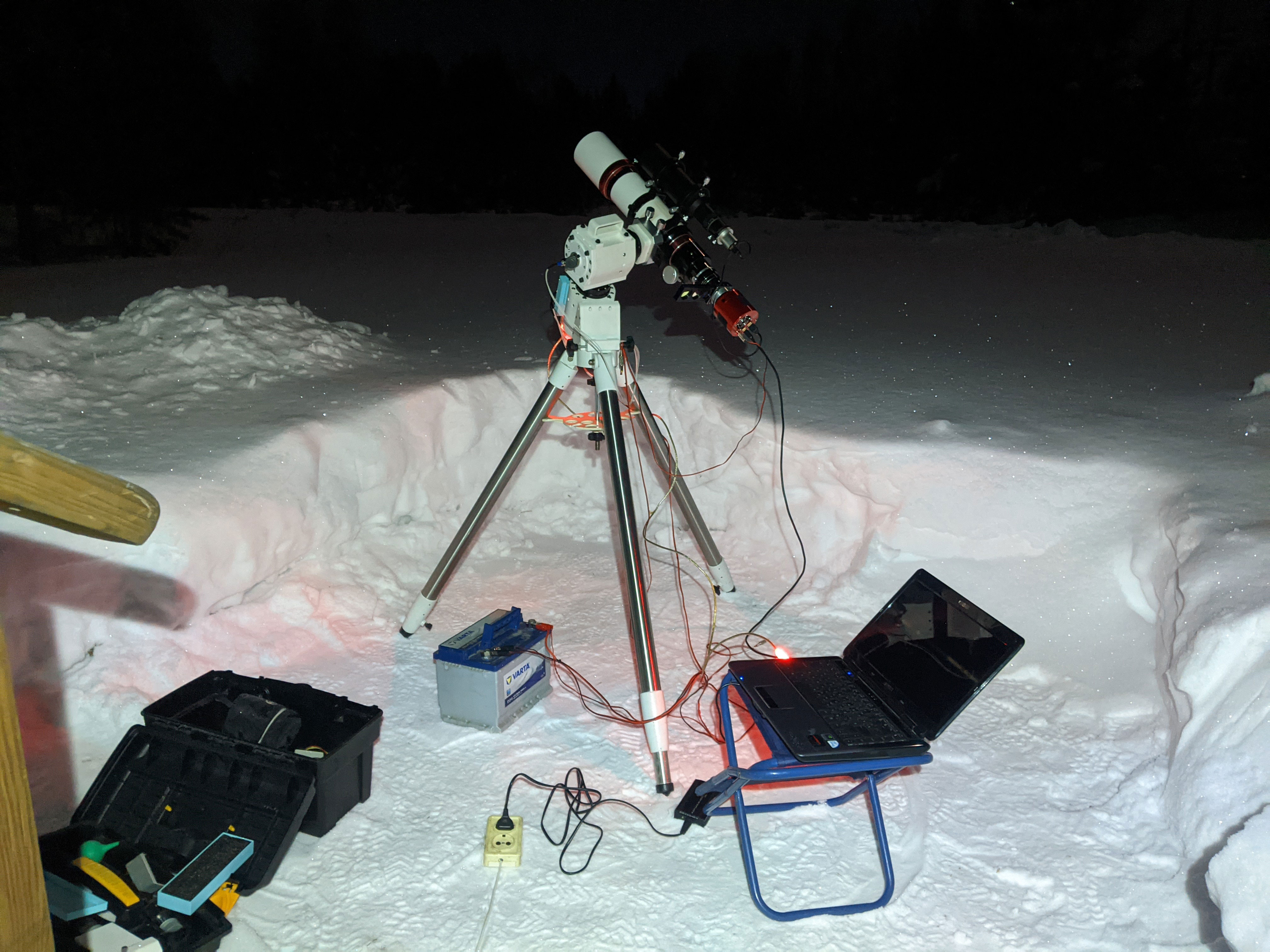
Ready for a night of viewing!
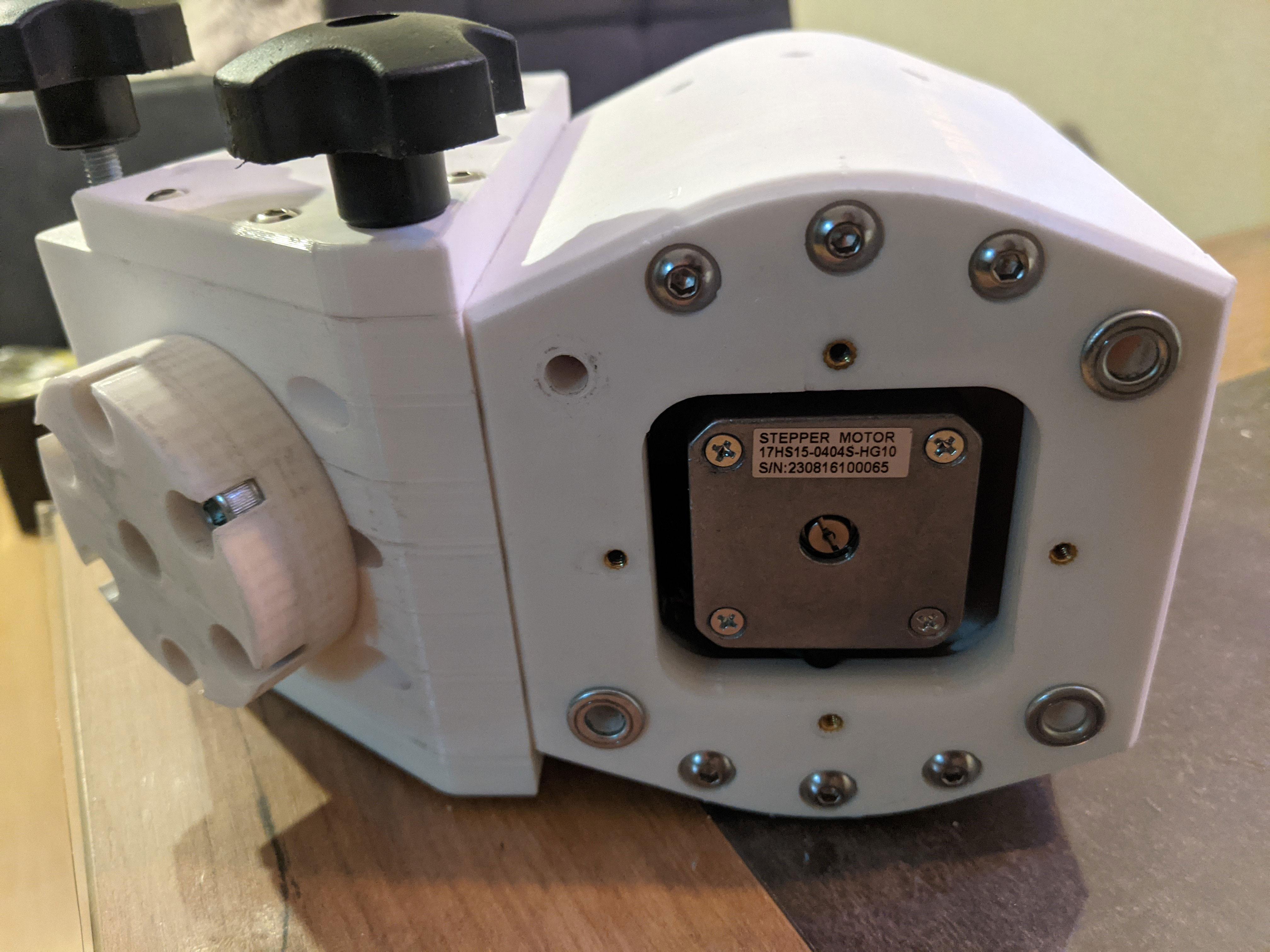
A look at the stepper motors
8" Newtonian on top of the mount

Hand controller read-out
The mount on it's side, showing the handle for carrying
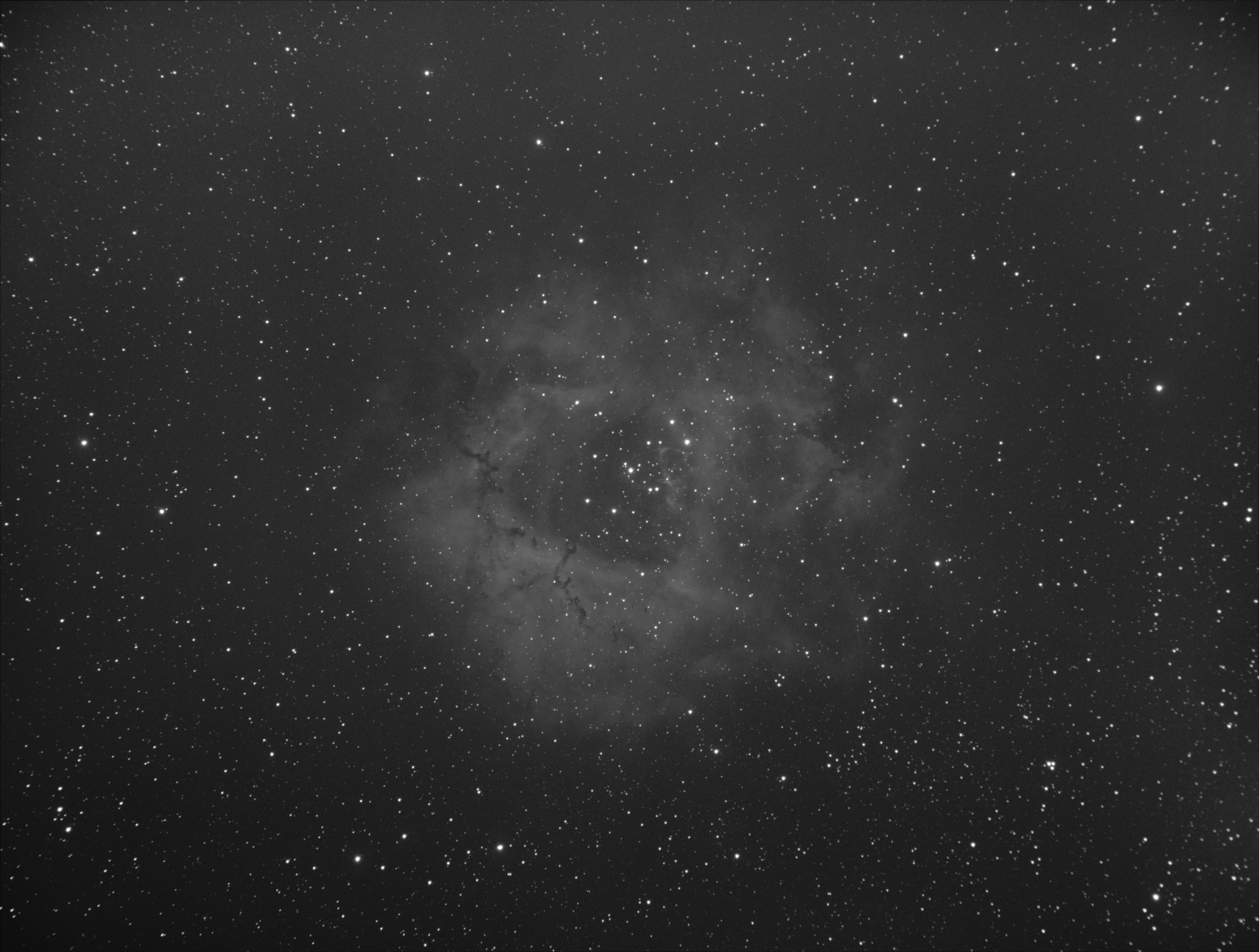
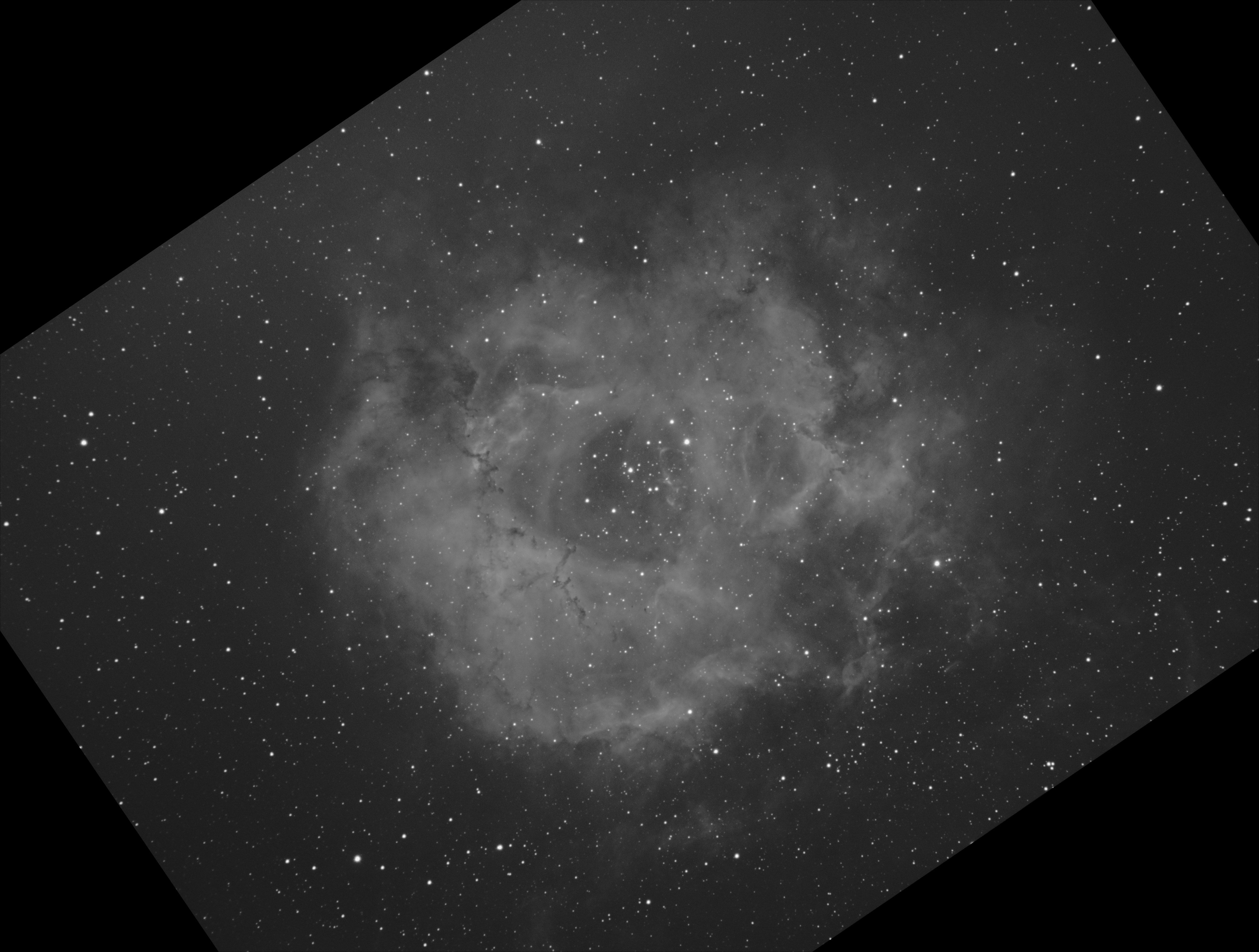
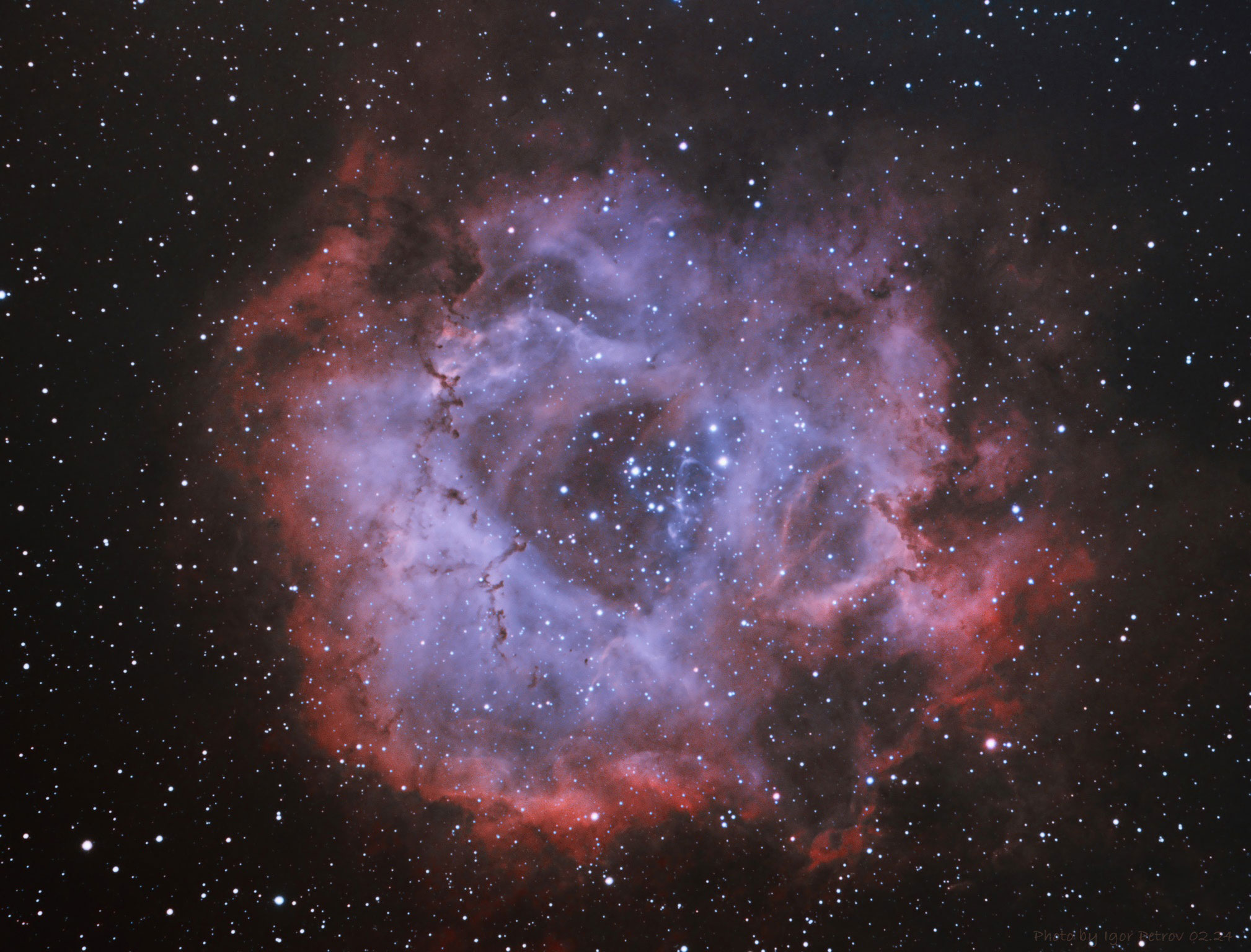
Astrophoto of the Rosette nebula in OIII using the mount
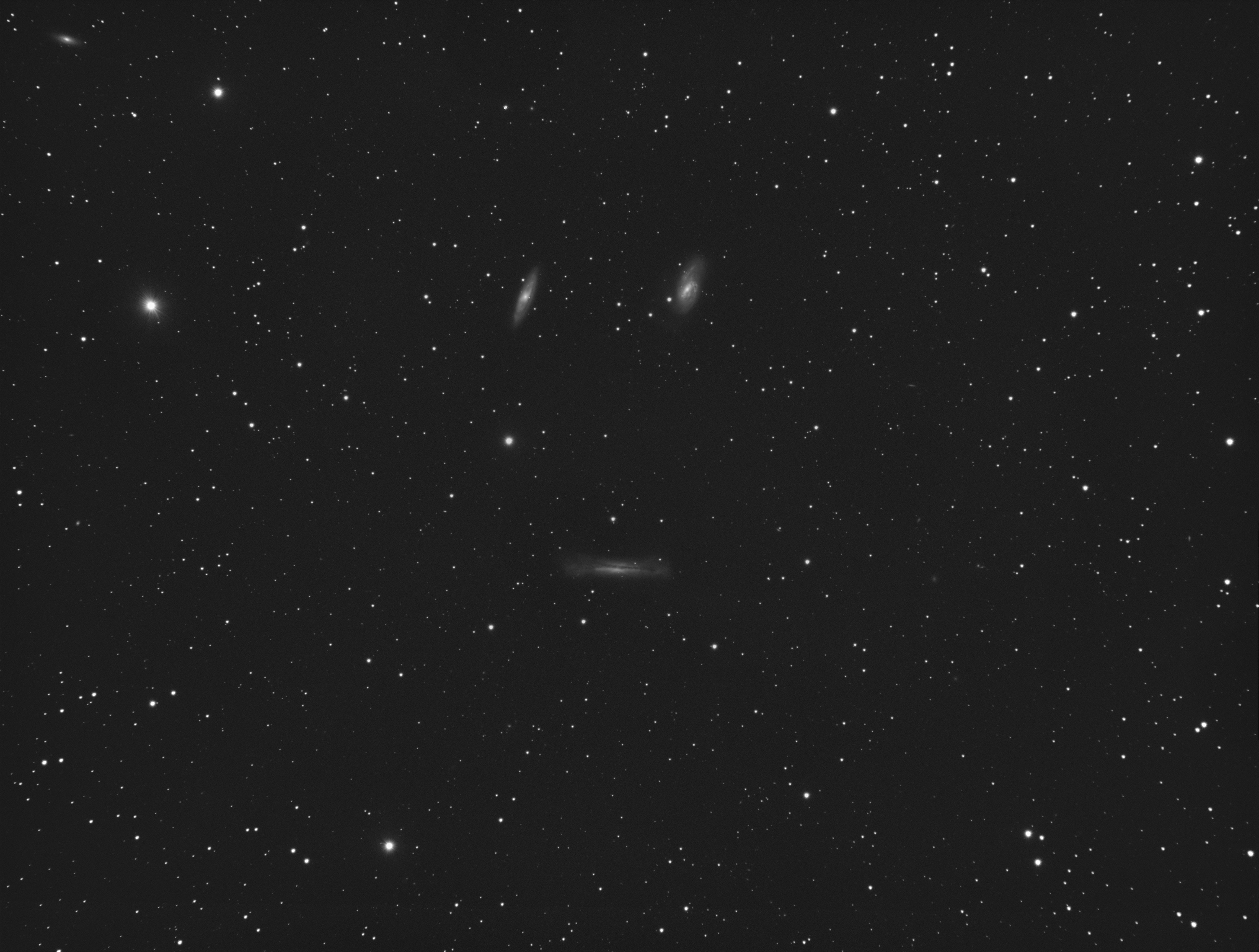
Leo Triplet with APO 80mm, using the mount
With 80 480 APO
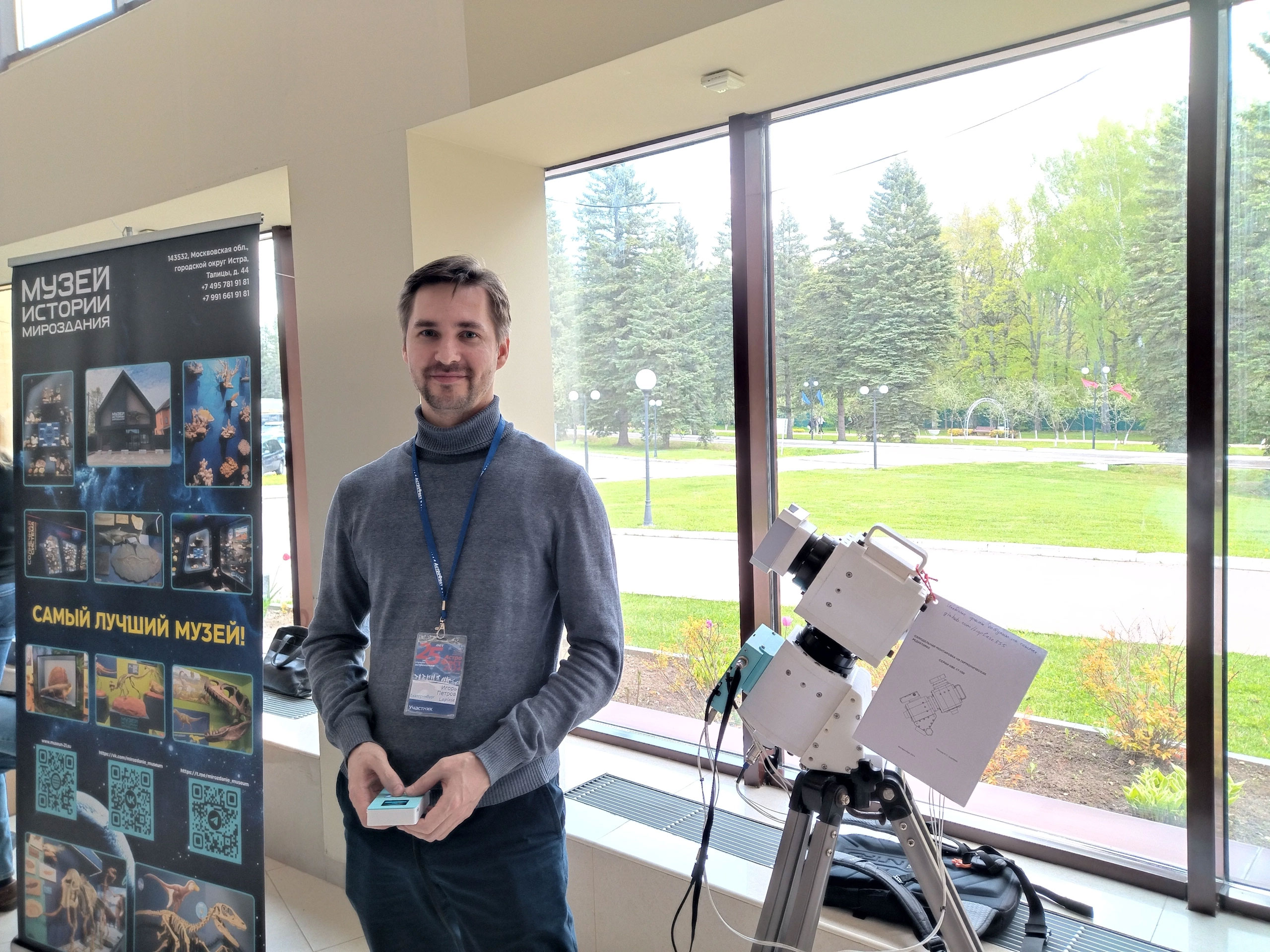
Igor Petrov
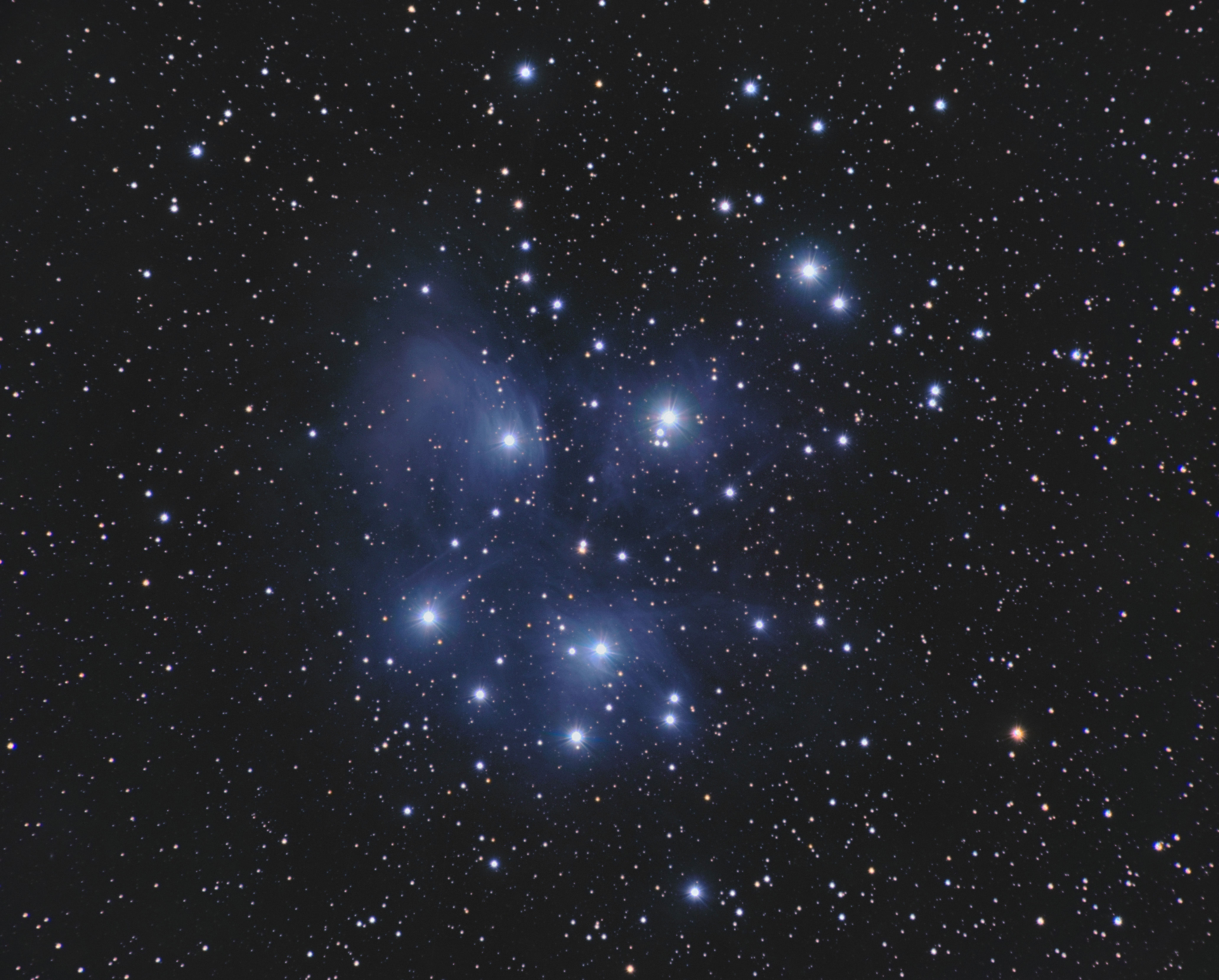
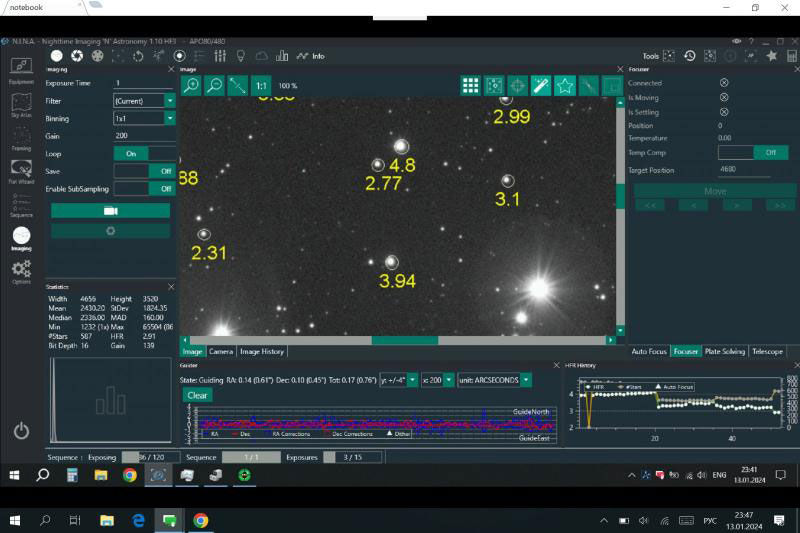
Shooting M45 in NINA
Kinematic gearbox error HBK 17 100
Temperature on night
Design with controller box
Design with pole finder
Rosette nebula in Ha
Periodic error visual using PHD
With a pole finder installed

With pole finder installed 2
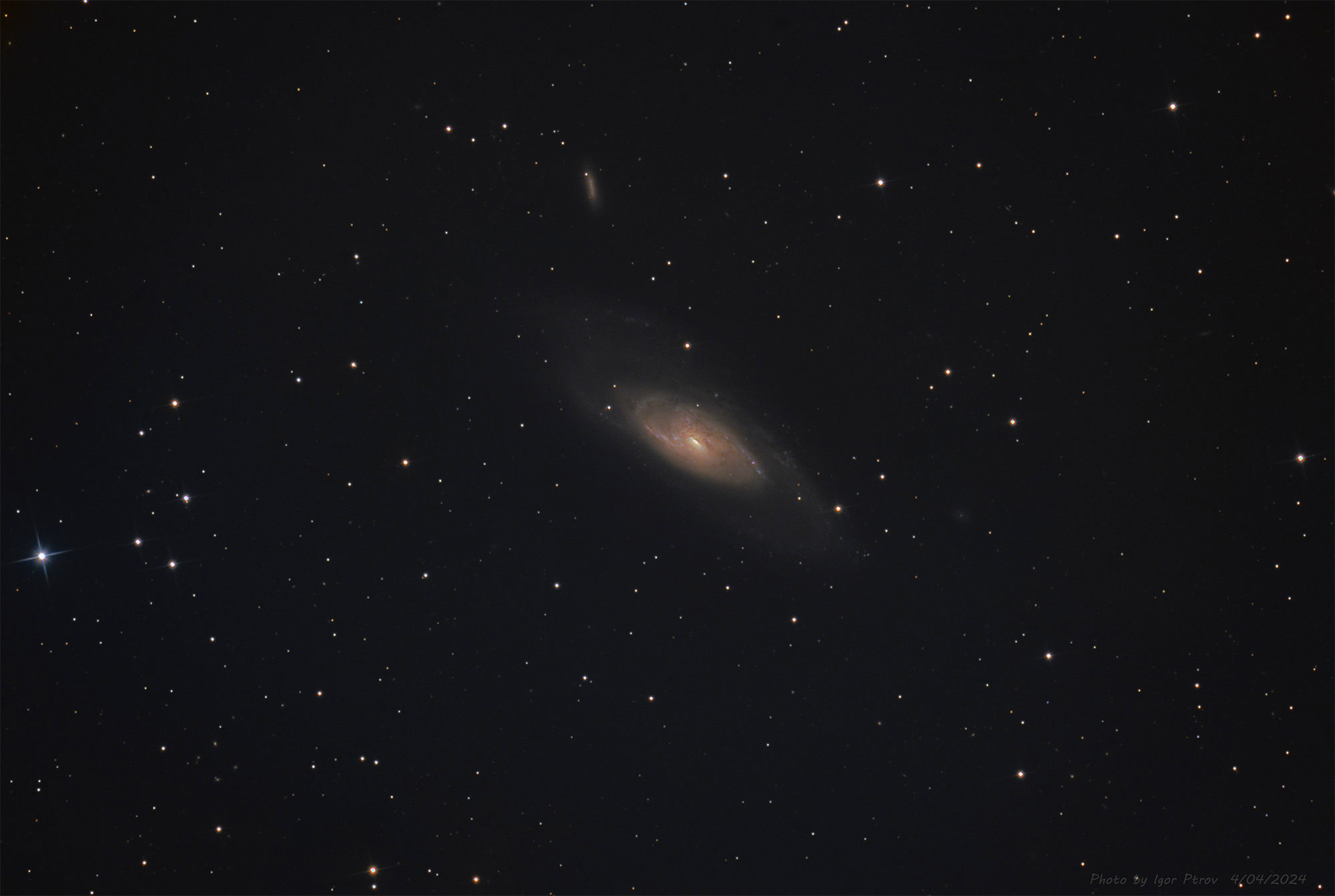
M106 RGB V1
With 150mm Newtonian
RMS error in PHD shooting M45
Complete NGC2237 using the DIY mount and APO 80mm
M45 APO garmon